Preparing the Lawn for the Season
How to Prepare Your Lawn for the Season – A Practical Step-by-Step Guide
The key factor in all spring lawn care is soil temperature, not the date on the calendar.The correct sequence of treatments is: raking (March, soil temperature ≥5°C) → optional liming (March/April, if pH <6.0) → starter fertilization (April, soil temperature 8–10°C, 25–30 g/m²) → scarification (April/May, soil >10°C, depth 3–5 mm) → aeration (24–48 hours after scarification, depth 5–8 cm) → overseeding (15–25 g/m², watering 5–8 l/m² per day) → first mowing (grass 6–8 cm, cut to 4–5 cm, 1/3 rule).Below you'll find specific dosages, depths, guidelines, and a printable checklist.
Spring lawn preparation is a process that determines the condition of the lawn throughout the growing season.The wrong order of procedures, starting work too early, or using the wrong equipment can undo months of effort.The guide below will walk you through each step in the optimal sequence, with specific parameters and a physiological rationale for each action.
Preparing Your Lawn for the Season – A Schedule of Tasks and Soil Temperatures
The most common mistake lawn owners make is relying on the calendar date rather than soil temperature.Cold-loving grasses—perennial ryegrass, red fescue, and meadow grass—begin their growing season when the soil temperature at a depth of 5–8 cm reaches 5–8°C.In central Poland, this usually occurs in mid-March, but in cooler regions it can be as late as early April.
| Month | Soil temperature | Treatment | Key parameters | Equipment Needed |
|---|---|---|---|---|
| March | 5–8°C | Raking, assessment of turf condition | Removing thatch, leaves, and moss | FISKARS Fan Rake |
| March/April | 5–10°C | Liming (optional) | 0.6–1.0 kg/m², if pH < 6.0 | CEDRUS Spreader, LIDER |
| April | 8–10°C | Initial Fertilization | 25–30 g/m², NPK 20-5-10 | CEDRUS Spreader, OLEO-MAC |
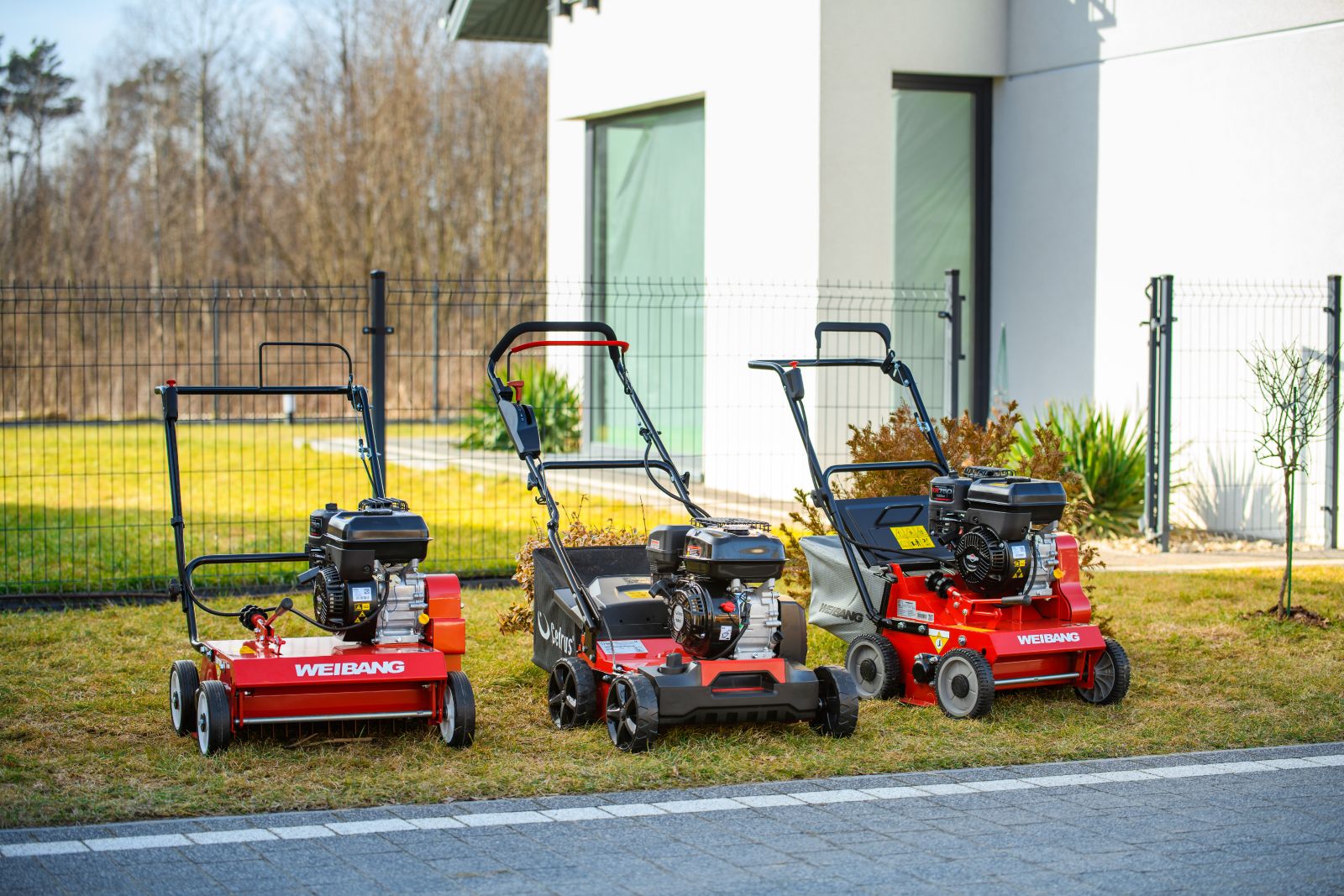
| April/May | >10°C | Scarification | Depth: 3–5 mm, dry soil | CEDRUS, WEIBANG, and OLEO-MAC Lawn Aerators |
| April/May | >10°C | Aeration | Depth: 5–8 cm, 24–48 hours after aeration | CEDRUS Aerator, WEIBANG |
| April/May | 10–18°C | Overseeding | 15–25 g/m², watering 5–8 l/m² | CEDRUS Spreader, LIDER, HOZELOCK System |
| April/May | >10°C | First Mowing | Grass 6–8 cm → 4–5 cm, 1/3 rule | CEDRUS, OLEO-MAC, and WEIBANG Lawn Mowers |
Soil temperature can be measured using a simple soil thermometer placed at a depth of 5–8 cm in several spots on the lawn.Take measurements in the morning, before the sun heats up the surface.If you don't have a thermometer, a rough guide is when the forsythias start to bloom—that's a sign that the soil has reached about 8–10°C.
Step 1 – Cleaning Up the Lawn After Winter and Initial Assessment of the Turf's Condition
The first step after the snow has melted and the soil has dried out is to thoroughly clean the lawn.Use a fan rake for this—models with flexible tines work best, such as the FISKARS rakes available from EWIMAX.Avoid using sharp leaf rakes, which can damage the turf and pull up the roots.
When raking, you remove:
- dry, withered blades of grass,
- a layer of felt (thatch) – accumulated organic matter,
- moss that grew during a damp winter,
- leaves and other debris.
After cleaning, assess the condition of the turf based on three criteria:
- Bald Patches – if they cover more than 20% of the lawn’s surface area, the lawn requires a complete renovation with reseeding.
- Moss and Snow Mold – the presence of moss indicates soil that is too acidic (pH <5.5) or excessively moist; snow mold (pinkish or grayish patches) must be removed and the lawn aerated.
- Turf Density – if a rake has difficulty penetrating the turf, the soil is compacted and needs aeration.
If your lawn looks good and you've removed only a thin layer of thatch, you can move on to fertilizing.If the layer of thatch is more than 1 cm thick, scarification will be necessary.
Step 2 – Aeration: When, How Deep, and What to Use
Aeration involves making vertical cuts in the turf using special blades that remove accumulated thatch—a layer of dead grass blades, roots, and moss that lies between the living grass and the soil.Felt thicker than 1 cm blocks the flow of water, air, and nutrients to the roots and also provides an ideal environment for fungal diseases.
Condition for implementation: The soil temperature must be above 10°C.In central Poland, this occurs in mid-April.Scarifying on cold soil damages roots that are not yet able to regenerate.
Cutting depth: Make the first pass at a depth of 3 mm.If, after running the roller over the surface, you see that the felt is thicker, you can increase the depth to a maximum of 5 mm.Never cut deeper than 5 mm—a deeper cut damages the root system and leads to bald spots.
Technique: Mow along the lawn, then mow a second time at a right angle (crosswise).This will allow you to remove lint from all directions.Work on dry ground—on wet ground, the blades pull up whole clumps of grass instead of cutting through the thatch.
What to Watch Out for When Scarifying
- Maximum cutting depth: 5 mm—any deeper and you’ll damage the roots.
- Scarify only on dry ground—on wet ground, the blades will tear up the turf.
- Do not aerate if the soil temperature is below 10°C—the grass will not have time to recover before the season begins.
- After scarifying, rake thoroughly and remove the loosened thatch—if left on the lawn, it will rot and acidify the soil.
Which Aerator Should You Choose?? EWIMAX offers models suitable for lawns of all sizes.If you'd like to learn more about this topic, check out our article: What Is Scarification? and How to Choose the Right Equipment.Below is an approximate breakdown:
| Lawn size | Type of Scarifier | Sample models from the EWIMAX lineup |
|---|---|---|
| Up to 150 m² | Electric, 1,300–1,500 W, width.30–34 cm | CEDRUS, WEIBANG |
| 150–300 m² | Electric, 1,500–2,000 W, width.34–40 cm | CEDRUS, OLEO-MAC |
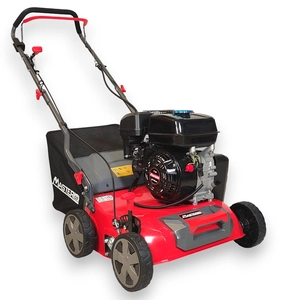
| 300–800 m² | Gasoline-powered, 4–6 KM, width.40–45 cm | OLEO-MAC, CEDRUS |
| Over 800 m² | Gasoline-powered, >6 KM, width.>45 cm | OLEO-MAC |
You can find the full selection of scarifiers and aerators at the EWIMAX store.
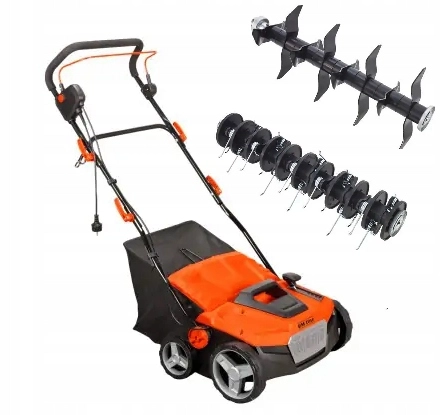 OLEO-MAC OM-LINE WRE1800 – 2-in-1 Scarifier and Aerator 1,800-watt electric scarifier-aerator with two interchangeable rollers and a 45-liter grass catcher, ideal for revitalizing lawns up to 1,300 m². 493.00 PLN • View product → |
Step 3 – Aeration: Aerating the Soil After Scarifying
Aeration is the process of piercing or tilling the soil to loosen and aerate it.While scarification removes thatch from the surface, aeration works deeper—reaching the root zone to a depth of 5–8 cm.
Why aerate after scarifying, rather than before?? Order is of critical physiological importance.If you aerate first and then scarify, the thatch removed by scarification may be pushed into the holes created during aeration, blocking them and preventing gas exchange.The correct sequence: scarification removes thatch from the surface, and aeration oxygenates the exposed soil.Wait 24–48 hours between treatments.
Plug/Core Aeration vs. Spike Aeration: Plug aeration is definitely more effective.It cuts cores (plugs) of soil from the ground, which are left on the surface to dry—after a few days, they are raked up or broken up during mowing.Spike aeration simply drives spikes into the soil, which, in the case of clay soils, further compacts the walls of the holes and may make the situation worse.
EWIMAX offers aerators with interchangeable rollers – the CEDRUS and WEIBANG models allow for quick switching between scarification and aeration, which is particularly practical for combined treatments.
Step 4 – Spring Liming and Fertilization: What, When, and in What Amounts
Before you start fertilizing, check the soil's pH.The optimal pH for a lawn is 6.0–6.5.If the value is lower, liming is necessary.
Liming: Perform liming when the pH drops below 6.0.Lime application rates depend on the soil type:
- sandy soil with a pH of 5.5: okay.0.6 kg/m²,
- clay soil with a pH of 5.5: okay.1.0 kg/m².
Spread the lime evenly using a spreader—EWIMAX offers the CEDRUS and LIDER spreaders ( ), which guarantee precise application.Allow at least 2–3 weeks between liming and nitrogen fertilization—lime reacts with the soil and changes its pH, and nitrogen applied too soon may be immobilized.
Initial Fertilization: When the soil temperature reaches 8–10°C, apply a spring fertilizer high in nitrogen.The optimal NPK ratio is 20-5-10 or 12-5-5.Application rate: 25–30 g/m² of granular fertilizer, which is equivalent to approx..5–7 grams of pure nitrogen per square meter.Do not exceed 10 g N/m² per application—this can cause the grass to burn and result in excessive aboveground growth at the expense of root development.
Use a spreader for even application—spreading by hand leads to uneven growth and patches on the lawn.The CEDRUS, OLEO-MAC, and LIDER spreaders from the EWIMAX lineup are equipped with rate control, which allows for precise dosing.
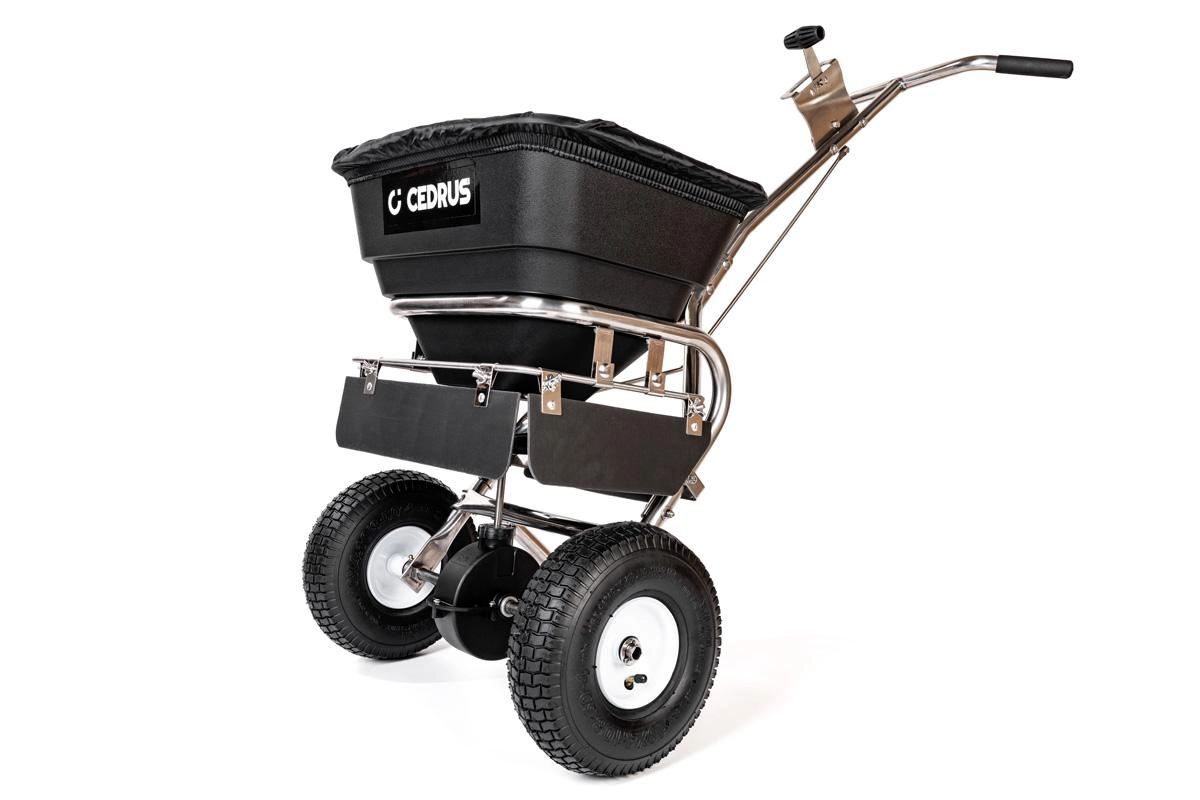 Cedrus SP31552A 26L Push Spreader Durable stainless steel spreader for fertilizer, seeds, and sand—with a screen, rain cover, and deflectors for precise spring fertilization. 1,275.07 PLN • View product → |
Step 5 – Overseeding: How to Thicken Your Lawn After Scarifying and Aerating
After scarification and aeration, the turf is open and exposed—this is the perfect time to overseed.If you skip this step, weeds will start to grow in the exposed areas within a few weeks and will take over the open space faster than the grass will.
Seeding rate: For standard regeneration, apply 15–25 g/m² of topseed.For intensive restoration (bald spots, thinning turf), increase the application rate to 25–30 g/m².
Optimal species: Under Polish conditions, mixtures of perennial ryegrass (Lolium perenne) and red fescue (Festuca rubra) work best..Ryegrass germinates quickly (7–10 days) and forms a dense turf; fescue provides resistance to drought and low temperatures.
Sowing Technique: Use a spreader—hand-sowing results in uneven coverage.The CEDRUS and LIDER spreaders from the EWIMAX lineup allow you to adjust the spreading width and application rate.After sowing, lightly cover the seeds—simply run a fan rake or a roller over them.The seeds must be in contact with the soil, but they must not be planted deeper than 0.5–1 cm.
Watering: For the first 14 days, water every morning at a rate of 5–8 l/m².Avoid watering in the evening—moist soil at night promotes the development of fungal diseases.The HOZELOCK irrigation systems available at EWIMAX make it easy to maintain a regular irrigation schedule.
Germination time: The first shoots will appear after 10–14 days if the soil temperature remains between 10–18°C.
Step 6 – First mowing after winter: height, timing, and the 1/3 rule
The first mowing after winter is one of the most critical moments of the season.Mowing too early stresses the grass; mowing too late weakens the turf.
When to mow: when the grass reaches a height of 6–8 cm.In central Poland, this usually occurs around the end of April and beginning of May.Don't go by the date—measure the height of the grass with a ruler.
To what height: trim to 4–5 cm.This is the optimal starting height, which allows the grass to recover quickly and become denser.
The 1/3 Rule: Never cut more than one-third of a blade's length in a single mowing.If the grass has grown to 9 cm, mow it down to 6 cm, and then, after a few days, mow it down to 4–5 cm.Violating this principle leads to physiological shock—the grass loses its ability to photosynthesize and directs all its energy toward leaf regeneration at the expense of the roots.
Additional Rules:
- After fertilizing, wait 7–10 days before mowing for the first time.
- After reseeding, mow the new grass for the first time when it reaches 6–8 cm (approx..(3–4 weeks after sowing).
- Use only sharp knives—dull knives tear the blades of grass instead of cutting them, which opens the door to fungal infections.
Which Lawn Mower for Which Lawn?? EWIMAX offers a full range of products—from electric models to lawn mowers and garden tractors :
| Lawn size | Type of lawn mower | Examples of brands available from EWIMAX |
|---|---|---|
| Up to 150 m² | Electric or battery-powered | CEDRUS, WEIBANG |
| 150–300 m² | Battery-powered or gas-powered with a drive system | CEDRUS, OLEO-MAC |
| 300–800 m² | Gas-powered, width.45–55 cm | OLEO-MAC, WEIBANG |
| Over 800 m² | Garden tractor or robotic mower | CEDRUS, SUNSEEKER |
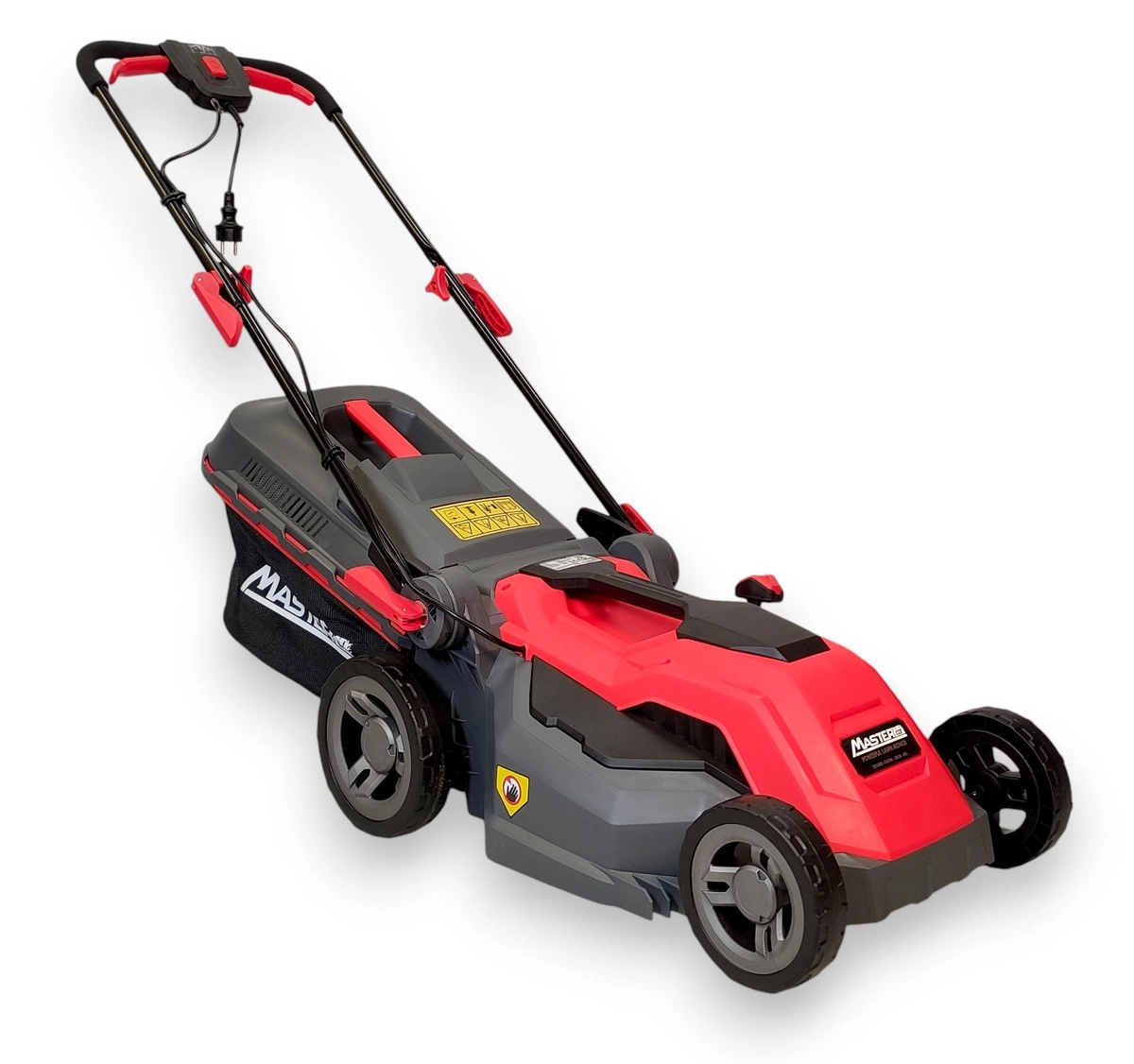 MasterCut TX1600 – 1600W Electric Lawn Mower / 38 cm A lightweight and maneuverable electric mower with a mulching function, a 40-liter grass catcher, and 5-level height adjustment—perfect for the first mowing of the spring. 579.00 PLN • View product → |
Step 7 – Irrigation and Modern Solutions: A Robotic Lawn Mower as an Alternative
Once you've completed all your spring maintenance tasks, it's a good idea to prepare your irrigation system for the upcoming season.Check your hoses, connectors, and sprinklers—they may have been damaged by frost over the winter.EWIMAX offers HOZELOCK and FISKARS irrigation systems, including rotating sprinklers, expandable hoses, and drip irrigation kits.
A Robotic Lawn Mower as an Alternative: After scarifying, aerating, and reseeding, the robotic lawn mower can take over all further maintenance for the season.Daily mowing with mulching (fine grass clippings remain on the lawn as natural fertilizer) promotes turf thickening and eliminates the need to rake the clippings.The SUNSEEKER and WIPER robots from the EWIMAX lineup are designed for lawns ranging from 200 m² to 5,000 m² and are equipped with intelligent navigation systems that adjust the mowing schedule to the grass’s growth rate.
7 Mistakes That Ruin Your Lawn During Spring Restoration
Mowing Too Early – when the soil temperature is below 5°C, the grass doesn’t grow, and mowing only stresses it.Consequence: a weakened turf that is susceptible to disease.Correct procedure: Wait until the grass reaches 6–8 cm.
Scarification that is too deep (>5 mm) – damages the root system and leads to bare patches.Correct operation: first pass at 3 mm, maximum 5 mm.The CEDRUS and WEIBANG scarifiers available from EWIMAX feature depth adjustment, allowing for precise settings.
Excessive nitrogen fertilization (>10 g N/m²) – can cause grass burn and excessive growth of aboveground biomass at the expense of the roots.Correct application: 25–30 g/m² of fertilizer (5–7 g N/m²).A CEDRUS or LIDER spreader will ensure even application.
Scarifying on Wet Soil – the blades pull out entire clumps of grass instead of cutting through the thatch.Proper procedure: Scarify only on a dry lawn, at least 48 hours after rain.
Failing to reseed after scarification – open turf is the perfect place for weeds.Proper procedure: Overseed with 15–25 g/m² of grass within 24–48 hours after scarifying.
Mowing with Dull Blades – tears the blades instead of cutting them, which promotes fungal diseases.Proper Maintenance: Sharpen or Replace the Blades Before the Season Begins.EWIMAX offers replacement blades for CEDRUS, OLEO-MAC, and WEIBANG lawn mowers.
Fertilization Before the Growing Season Begins – when the soil temperature is below 8°C, the fertilizer is not absorbed and is leached into the groundwater.Proper procedure: Apply the first fertilizer only after the soil reaches 8–10°C.
☐ Your Step-by-Step Plan for Spring Lawn Restoration
| ☐ | Step | When | What to do | Equipment Needed |
|---|---|---|---|---|
| ☐ | 1.Purification | March, soil temperature ≥5°C | Remove felt, leaves, and moss | FISKARS Fan Rake |
| ☐ | 2.Liming (optional) | March/April | Check the pH; if it's <6.0, spread lime | CEDRUS Spreader, LIDER |
| ☐ | 3.Initial Fertilization | April, soil temperature 8–10°C | Spread 25–30 g/m² of NPK fertilizer | CEDRUS Spreader, OLEO-MAC |
| ☐ | 4.Scarification | April/May, soil temperature >10°C | Traveling lengthwise and crosswise, deep.3-5 mm | CEDRUS, WEIBANG, and OLEO-MAC Lawn Aerators |
| ☐ | 5.Aeration | 24–48 hours after scarification | Deep Soil Aeration.5–8 cm | CEDRUS Aerator, WEIBANG |
| ☐ | 6.Overseeding | After aeration | Scatter 15–25 g/m² of seeds, then water with 5–8 l/m² | CEDRUS Spreader, LIDER, HOZELOCK System |
| ☐ | 7.First Mowing | Grass 6–8 cm | Trim to 4–5 cm, using the 1/3 rule | CEDRUS, OLEO-MAC, and WEIBANG Lawn Mowers |
| ☐ | 8.Preparing for the Season | After the first mowing | Set up an irrigation system; consider getting a robotic lawn mower | HOZELOCK System, SUNSEEKER Robot, WIPER |
FAQ – Frequently Asked Questions About Spring Lawn Care
When to mow for the first time after winter? When the grass reaches a height of 6–8 cm and the soil temperature exceeds 5°C.In central Poland, this usually occurs around the end of April and beginning of May.Follow the 1/3 rule—don't cut more than one-third of the blade's length.
How does scarification differ from aeration?? Aeration involves making vertical cuts in the turf to a depth of 3–5 mm, which removes thatch (dead organic matter) from the surface.Aeration involves piercing the soil to a depth of 5–8 cm, which loosens the soil and improves air access to the roots.Scarification works on the surface, while aeration works deeper into the soil.You can find a detailed discussion of the difference between scarification and aeration at on the EWIMAX blog.
What soil temperature is ideal for fertilizing a lawn?? At least 8–10°C.Below this temperature, the grass does not absorb nutrients, and the fertilizer leaches into the groundwater.
How much fertilizer per square meter of lawn in the spring? 25–30 g/m² of granular NPK fertilizer with a nitrogen-rich formulation (e.g., 20-5-10).This corresponds to about.5–7 grams of pure nitrogen per square meter.Do not exceed 10 g N/m² per application.
Do you need to reseed the lawn after scarifying?? Yes.Aeration exposes the soil and creates open spaces that weeds quickly fill.Overseeding at a rate of 15–25 g/m² prevents weeds and thickens the turf.
How often should you water the lawn after reseeding?? Every morning at a rate of 5–8 l/m² for the first 14 days.Watering in the evening increases the risk of fungal diseases.Once the grass has sprouted (10–14 days), gradually reduce the frequency while increasing the amount per application.
Recommended
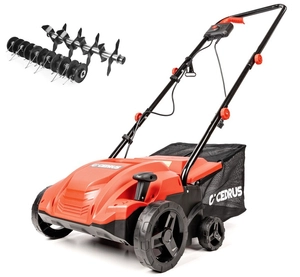
CEDRUS WE32 GREEN AREATOR 2-in-1 AERATOR + 2 ROLLERS 1500W / 32cm CEDWE32 - EWIMAX - OFFICIAL DISTRIBUTOR - AUTHORIZED DEALER CEDRUS
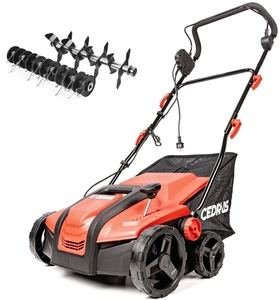
CEDRUS WE38 GREEN AREATOR 2-in-1 AERATOR + 2 ROLLERS 1800W / 38cm CEDWE38 - EWIMAX - OFFICIAL DISTRIBUTOR - AUTHORIZED DEALER CEDRUS

CEDRUS WE40 GREEN AREATOR 2-in-1 AERATOR + 2 ROLLERS 2000W / 40cm CEDWE40 - EWIMAX - OFFICIAL DISTRIBUTOR - AUTHORIZED DEALER CEDRUS
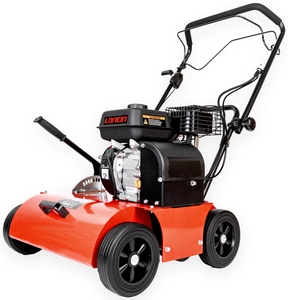
CEDRUS WR46L-R PETROL LAWN SCARIFIER AERATOR 6 KM SWING BLADES CEDRUS PREMIUM WR46 CEDWR46L-R - EWIMAX - OFFICIAL DISTRIBUTOR - AUTHORIZED CEDRUS DEALER
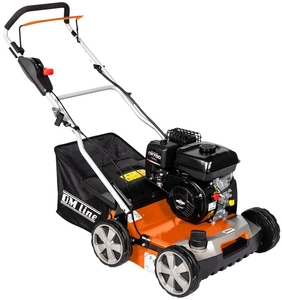
OLEO MAC OM-LINE WE40B SPRINAL VERTICULATOR AREATOR 2-in-1 FOR THE GROWTH 6 HP / 40cm B&S Briggs & Stratton CR950 PREMIUM OO-OTHWE40B OFFICIAL DISTRIBUTOR - AUTHORIZED DEALER OLEO MAC

WEIBANG WB457AB SPRINKLING TURBLE 5 HP B&S Briggs & Stratton 750 Series WB457 / WB 457 lawn aerator EWIMAX - OFFICIAL DISTRIBUTOR - AUTHORIZED WEIBANG DEALER
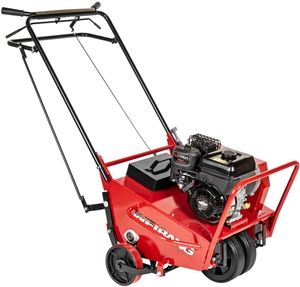
WEIBANG WB517AB SPRINKLING RUBBLE 5 hp B&S Briggs & Stratton 750Series WB517 lawn aerator EWIMAX - OFFICIAL DISTRIBUTOR - AUTHORIZED WEIBANG DEALER
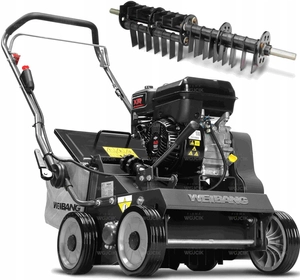
WEIBANG WB384RB PROFI PROFESSIONAL STEADY COMPACT VERTICULATOR Briggs&Stratton WB384 WB 384 EWIMAX - OFFICIAL DISTRIBUTOR - AUTHORIZED WEIBANG DEALER

CEDRUS WR01 SPRELINER TREATER AREATOR 2-in-1 5.5 HP - EWIMAX - OFFICIAL DISTRIBUTOR - AUTHORIZED DEALER CEDRUS
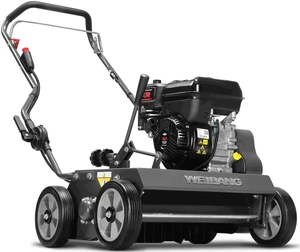
WEIBANG WB486CRB PROFI PROFESSIONAL COMPACTIONAL GRANDFULATOR Briggs&Stratton WB486 / WB 486 - EWIMAX - OFFICIAL DISTRIBUTOR - AUTHORIZED WEIBANG DEALER

CEDRUS SP31131 GARDEN ROLLER WITH WHEELS AERATOR FOR TRAKTORK 152cm - OFFICIAL DISTRIBUTOR - AUTHORIZED DEALER CEDRUS

CEDRUS SP31130 GARDEN ROLLER WITH WHEELS AERATOR FOR TRAKTOR 122cm - OFFICIAL DISTRIBUTOR - AUTHORIZED DEALER CEDRUS
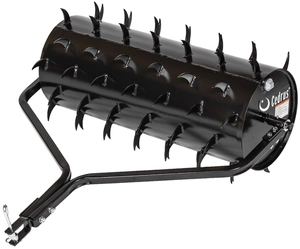

OLEO MAC OM-LINE WE40L 5.5 HP / 40cm PREMIUM METAL CABINET OO-OTHWE40L OFFICIAL DISTRIBUTOR - AUTHORIZED DEALER OLEO MAC

CEDRUS SP31519 AERATOR AREATOR GARDEN FERTILIZER SEED PLACER 2in1 - Poj. 80 L / 103 cm
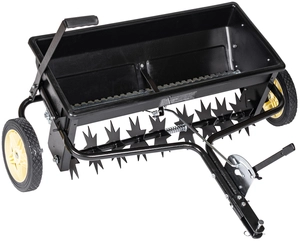
CEDRUS SP31509 AERATOR AREATOR GARDEN FERTILIZER SEED PLACER 2in1 - Poj. 43.5 L / 81 cm
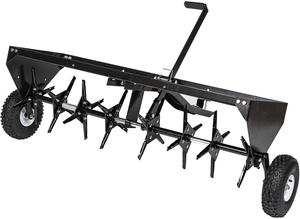
CEDRUS SP31102 GARDEN TRAKTOR PIPE AERATOR 122 cm - OFFICIAL DISTRIBUTOR - AUTHORIZED DEALER CEDRUS
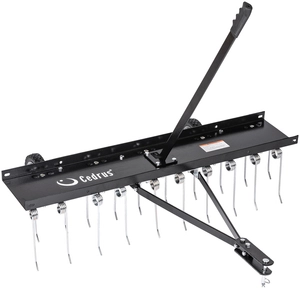

OLEO MAC SCA 50 H HONDA SPRINIONAL VERTICULATOR FOR THE GARVARD AREATOR 5.5 HP / 50cm 1800796 PROFESSIONAL - OFFICIAL DISTRIBUTOR - AUTHORIZED DEALER OLEO-MAC
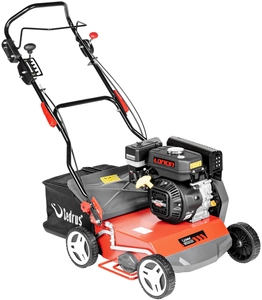

CEDRUS WR01-H SPRELINER TREE TILLER AREATOR 2-in-1 6 HP HONDA GP200 - EWIMAX - OFFICIAL DISTRIBUTOR - AUTHORIZED DEALER CEDRUS

CEDRUS WR01-B SPRELINARY THRESHOLDER AREATOR 2-in-1 6 HP B&S Briggs & Stratton CR950 - EWIMAX - OFFICIAL DISTRIBUTOR - AUTHORIZED DEALER CEDRUS
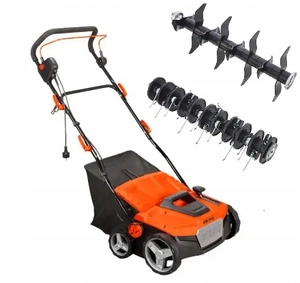
OLEO-MAC OM-LINE WRE1800 GREEN AERTICULATOR 2-in-1 + 2 WOLDS 1800W / 38 cm - OFFICIAL DISTRIBUTOR - AUTHORIZED DEALER OLEO MAC