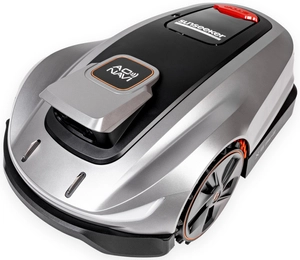
Robot Lawn Mower vs.. Gas-powered lawn mower - cost analysis and time savings over the course of a season
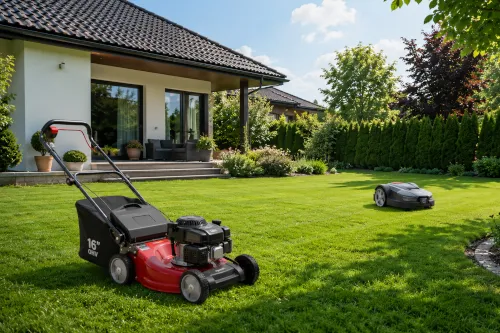
A beautiful, thick, and evenly mowed lawn is the dream of most single-family homeowners.However, achieving this result requires regular maintenance and, above all, systematic mowing.For years, the standard in Polish gardens has been the gas-powered lawn mower, valued for its high power, independence from power sources, and ability to operate even in more challenging terrain.Today, however, autonomous lawn mowers are becoming increasingly popular, as they take over most of the tasks involved in lawn care.
So it's no wonder that many homeowners are asking themselves: a robotic mower or a gas-powered mower??At first glance, the answer seems simple—a traditional lawn mower is cheaper to buy, while a robotic lawn mower requires a larger initial investment.In practice, however, the total cost of ownership for both solutions may look quite different, especially when we factor in expenses for fuel, service, maintenance, and the time spent tending the garden.
A fair comparison between a robotic lawn mower and a gas-powered lawn mower should take into account not only the purchase price of the equipment, but also the operating costs incurred throughout the entire season.Environmental and energy-efficiency issues are also becoming increasingly important.Many users wonder, among other things, what the actual power consumption of a robotic lawn mower is and whether using the device every day will result in high electricity bills.
In this article, we'll examine the long-term cost analysis for both solutions, compare operating expenses, and calculate how much time can be saved over the course of a single season.This will make it easier for you to determine whether a robotic mower or a gas-powered mower is the more cost-effective option for you..
Table of Contents:
- Robot Lawn Mower vs..Gas-powered lawn mower – two different approaches to lawn care
- How Does a Gas-Powered Lawn Mower Work, and How Long Does It Take to Mow by Hand During the Season??
- How does a robotic lawn mower work, and what makes its operating philosophy different??
- Who Should Choose a Robotic Lawn Mower, and Who Should Choose a Gas-Powered Lawn Mower?The first classification criterion
- Calculating Purchase Costs – What’s More Expensive Up Front, What’s Cheaper Over the Long Term?
- Seasonal and Annual Operating Costs – A Detailed Comparison
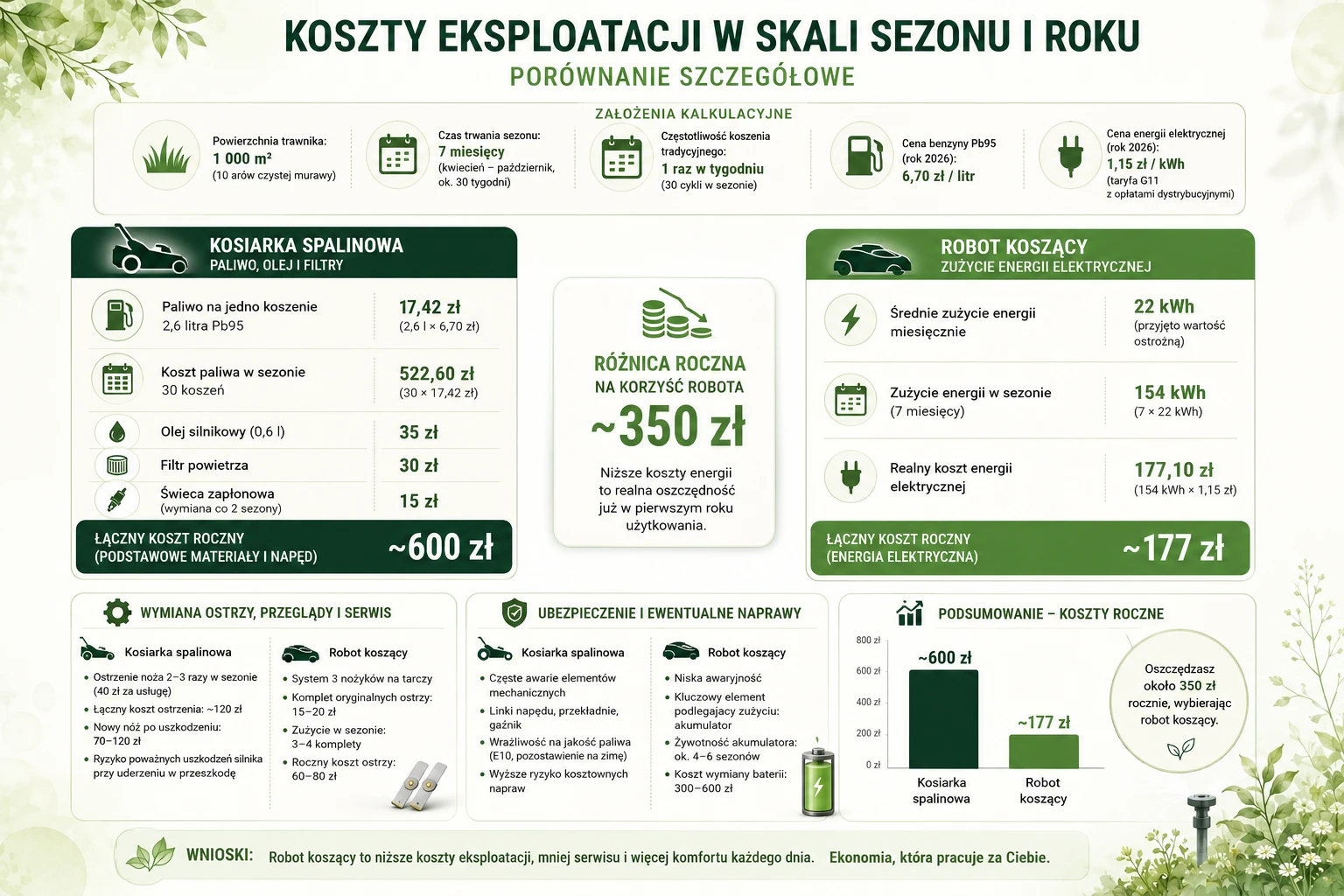
- Fuel, oil, and filters—how much do you spend on your gas-powered lawn mower each year??
- Electricity Consumption by a Robotic Lawn Mower – How Much Does It Actually Cost??
- Blade replacement, inspections, and maintenance—which is more expensive to maintain??
- Insurance and Potential Repairs—Who Comes Out Ahead in the Long Run??
- Time savings—how many hours can you save during the season??
- Environmental Impact and Exhaust Emissions – Is a Robotic Lawn Mower Really More Eco-Friendly??
- When a robotic lawn mower Can't Replace a Gas-Powered Lawn Mower?
Robot Lawn Mower vs..Gas-powered lawn mower – two different approaches to lawn care
Before performing any mathematical calculations, it is important to understand that comparing a robotic lawn mower to a gas-powered lawn mower is, in fact, a comparison of two completely different approaches to garden maintenance..This isn't just about whether or not there is a person holding the machine's handle, but about a completely different way of treating the turf as a living organism.
How Does a Gas-Powered Lawn Mower Work, and How Long Does It Take to Mow by Hand During the Season??
A traditional gas-powered lawn mower operates in emergency mode.We usually wait a week, sometimes two, until the grass grows to a height of a few or a dozen or so centimeters, and then we pull the heavy machine out of the garage, start the engine, and set out to do some physically demanding work. A gas-powered lawn mower cuts off a large portion of the leaf blade in a single pass, which is a massive biological shock to the plant.
After mowing, the grass must be collected in the grass catcher and then disposed of or placed in the compost bin.The entire process is highly dependent on the weather—mowing wet grass after it rains can cause the discharge chute to clog and the clippings to rot on the lawn.Over the course of the season, which runs from April to October, we repeat this process an average of 25 to 30 times.
How does a robotic lawn mower work, and what makes its operating philosophy different??
The autonomous robot operates in continuous and preventive mode.It goes out onto the lawn every day or every other day, cutting off just a few millimeters of new growth from the green blades of grass. From an agrotechnical standpoint, these are ideal conditions for grass growth.
The machine does not collect the cut material—the micro-stems fall directly among the growing grass and biodegrade immediately.We call this process mulching.Within a few days, this natural biomass transforms into an eco-friendly, nitrogen-rich fertilizer that retains moisture in the soil and drastically reduces the need for synthetic fertilizers.The robot is controlled via an app, operates quietly (often at night), and is completely independent of our presence or the weather conditions.
Who Should Choose a Robotic Lawn Mower, and Who Should Choose a Gas-Powered Lawn Mower?The first classification criterion
When deciding whether a robotic lawn mower or a gas-powered lawn mower is better, we must first assess the layout and topography of the area.
- Gas-powered lawn mower is a powerful tool designed for semi-wild gardens, orchards, areas with significant unevenness, dense stands of fruit trees that shed hard branches, and anywhere where the grass is mowed infrequently and irregularly.
- Robotic lawn mower is the perfect solution for those who value a flawless, carpet-like appearance for their home lawn, quiet operation, and maximum convenience.Modern equipment handles slopes of up to 35–45% with ease, provided that the garden has been properly prepared from a technical standpoint.
Calculating Purchase Costs – What’s More Expensive Up Front, What’s Cheaper Over the Long Term?
The barrier to entry is the most common argument raised by proponents of traditional solutions.The differences in the initial price of the equipment are obvious at first glance; however, treating the purchase of gardening equipment as a one-time expense without considering its long-term context is a fundamental auditing error.
The Price of a Gas-Powered Lawn Mower – What’s Included in the Purchase Price?
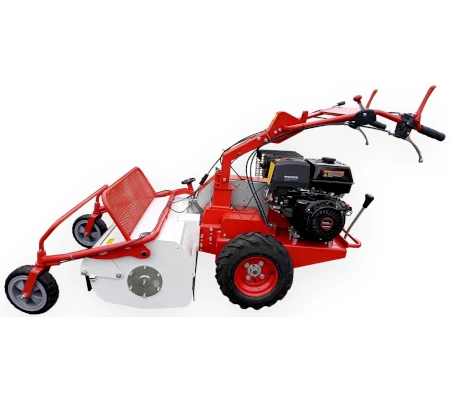
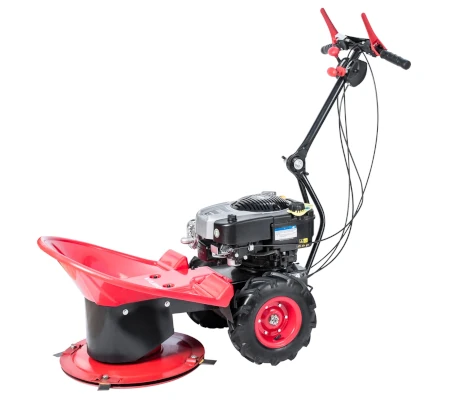
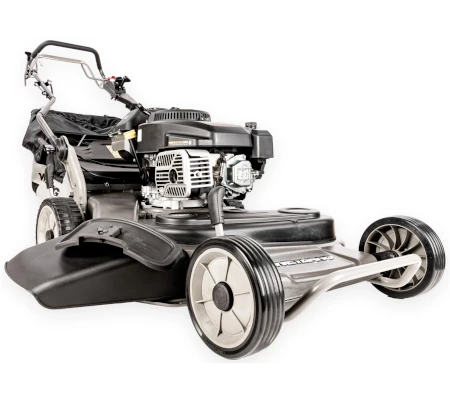
A high-quality, durable gas-powered lawn mower equipped with an engine from a reputable manufacturer (e.g., Loncin or Briggs & Stratton), with a drive system and a cutting width of approx..46–51 cm and a sturdy steel or aluminum housing will cost around 1,800 to 3,200 PLN.For this price, you get a device that’s ready to use; all you need to do is purchase engine oil for the initial start-up and a gas can.
If you're looking for reliable machines of this type, it's worth checking out the lawn mowers available on the market at and, whose prices in the premium segment rarely exceed 3,500 PLN..
The Price of a Robotic Lawn Mower – Why It's Higher and What It Includes?
Automation costs more because, instead of a simple internal combustion engine, we’re buying an advanced onboard computer with impact sensors, rain sensors, GPS modules, anti-theft systems, and brushless motors powered by lithium-ion batteries.
A high-quality robot for a medium-sized lawn with an area of up to 1,000 m² costs between 3,500 to 7,000 PLN.In addition, you must factor in the cost of installation accessories (boundary wire, stakes) or advanced RTK satellite navigation systems, which eliminate the need to bury the cable in the ground.
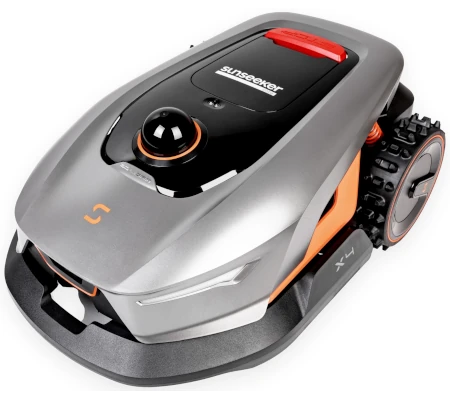
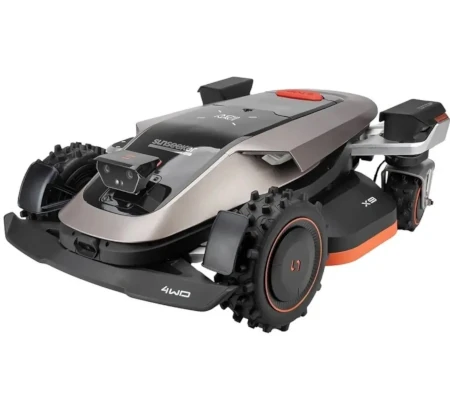
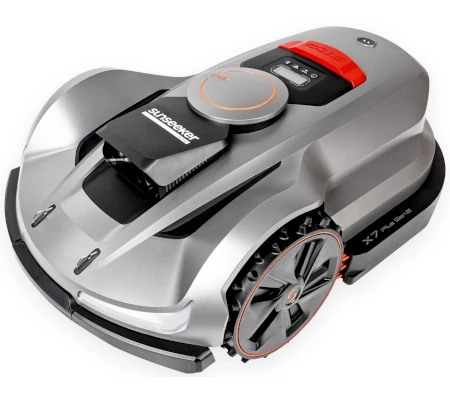
When analyzing the current ranking of SUNSEEKER 2026 robotic lawn mowers , it is clear that these modern devices offer an excellent balance between price and advanced navigation capabilities, placing them in the mid-range price category..
How quickly does a robotic lawn mower pay for itself compared to a gas-powered lawn mower??
The financial return on investment (ROI) for automatic lawn mowing robots is achieved much faster than most skeptics realize.The amortization of the difference in purchase price is based on three pillars: drastically lower power costs (electricity vs..(gasoline), no need to purchase bags or pay fees for green waste removal, and savings on mineral fertilizers (thanks to continuous mulching).In a typical Polish garden with an area of 1,000 m², the initial investment is usually recouped within 2.and 3.years of use.
Seasonal and Annual Operating Costs – A Detailed Comparison
To ensure complete analytical accuracy, let’s assume fixed calculation parameters for a representative garden profile:
- Lawn area: 1,000 m² (10 ares of pure turf).
- Season duration: 7 months (from April to October – approx..(30 weeks).
- Frequency of traditional mowing: Once a week (30 cycles per season).
- Price of Pb95 gasoline (2026): 6.70 PLN per liter on average.
- Electricity Price (2026): approx..1.15 PLN / kWh (G11 rate, including distribution charges).
Fuel, oil, and filters—how much do you spend on your gas-powered lawn mower each year??
An average gas-powered lawn mower with a drive system and an engine with a displacement of approx..150–196 cm³ consumes an average of about.1.2 to 1.5 liters of gasoline per hour of intensive operation.Mowing 1,000 m², including emptying the grass catcher and maneuvering around flower beds, takes about.2 hours.
- Fuel for one mowing session: 2 hours × 1.3 L/h = 2.6 liters of Pb95.
- Cost per mowing: 2.6 L × 6.70 PLN = 17.42 PLN.
- Fuel cost during the season (30 mowings): 30 × 17.42 PLN = 522.60 PLN.
On top of that, we have to factor in the mandatory annual maintenance package for the internal combustion engine; without it, the machine will quickly break down.Fresh engine oil (approx..0.6 l) costs 35 zł, a new air filter – 30 zł, a spark plug (replaced every 2 seasons) – 15 zł. To answer the question of how much it costs to maintain a gas-powered lawn mower each year, we need to add at least 80 zł for basic consumables to the cost of fuel, which gives us a total basic variable cost of approximately.600 zł per year, covering only basic consumables and fuel.
Electricity Consumption by a Robotic Lawn Mower – How Much Does It Actually Cost??
Many opponents of automation fear that a robot operating for a dozen or so hours every day will result in huge energy bills.This is a myth stemming from a lack of understanding of the specifics of brushless motors and lithium-ion technology.A robotic lawn mower designed for an area of 1,000 m² has a battery with a capacity of approx..4–5 Ah and draws only 60–90 W of power while charging.
The average monthly electricity consumption of a robotic lawn mower operating in such an area is approximately.18 to 22 kWh.Let's assume a higher value—22 kWh per month.
- Seasonal energy consumption (7 months): 7 × 22 kWh = 154 kWh.
- Actual cost of electricity: 154 kWh × 1.15 zł = 177.10 zł.
The cost difference in favor of electricity compared to liquid fuel amounts to nearly 350 zł over the course of just one year.This is a key point that illustrates just how low the ongoing operating costs of a robotic lawn mower are in everyday use.
Blade replacement, inspections, and maintenance—which is more expensive to maintain??
Mechanical costs are another important point of comparison:
- Gas-powered lawn mower.A traditional, large, contoured knife needs to be sharpened and balanced at least 2–3 times per season.Having this service performed professionally at a repair shop costs about.40 zł each time (for a total of 120 zł per season).If the blade hits a rock or a thick root, it may become bent, which means you'll have to buy a new one (approx..(70–120 zł) and can result in costly crankshaft distortion.
- Robot Lawn Mower.The robot's cutting system usually consists of a disc with three small, rotating blades (resembling razor blades).These blades gradually become dull.A set of original blades costs about.15–20 zł, and it takes 5 minutes to replace them using a regular screwdriver.During the peak season, approximately.3–4 sets, which results in an annual cost of approximately 60–80 zł.
Insurance and Potential Repairs—Who Comes Out Ahead in the Long Run??
In the long term (e.g., 5 years), the two devices present different maintenance risks.In gas-powered lawn mowers, mechanical components are the most common cause of failure: drive cables snapping, wheel gearboxes wearing out, and carburetor damage caused by poor-quality fuel containing biofuel additives (E10) left in the mower over the winter.
In robotic lawn mowers, the battery is the key component subject to natural chemical wear and tear.Its service life is estimated at about.4–6 seasons.Replacing the battery after this period costs between 300 and 600 zł, depending on the model. However, this cost is spread out over years of trouble-free operation, which does not affect the overall economic analysis.
Time savings—how many hours can you save during the season??
Let's now turn to a currency that can't be bought under any circumstances—free time.For most busy property owners, it is this factor—rather than pure financial math—that becomes the ultimate deciding factor when making a decision.
How long does it take to mow the lawn with a gas-powered mower throughout the season??
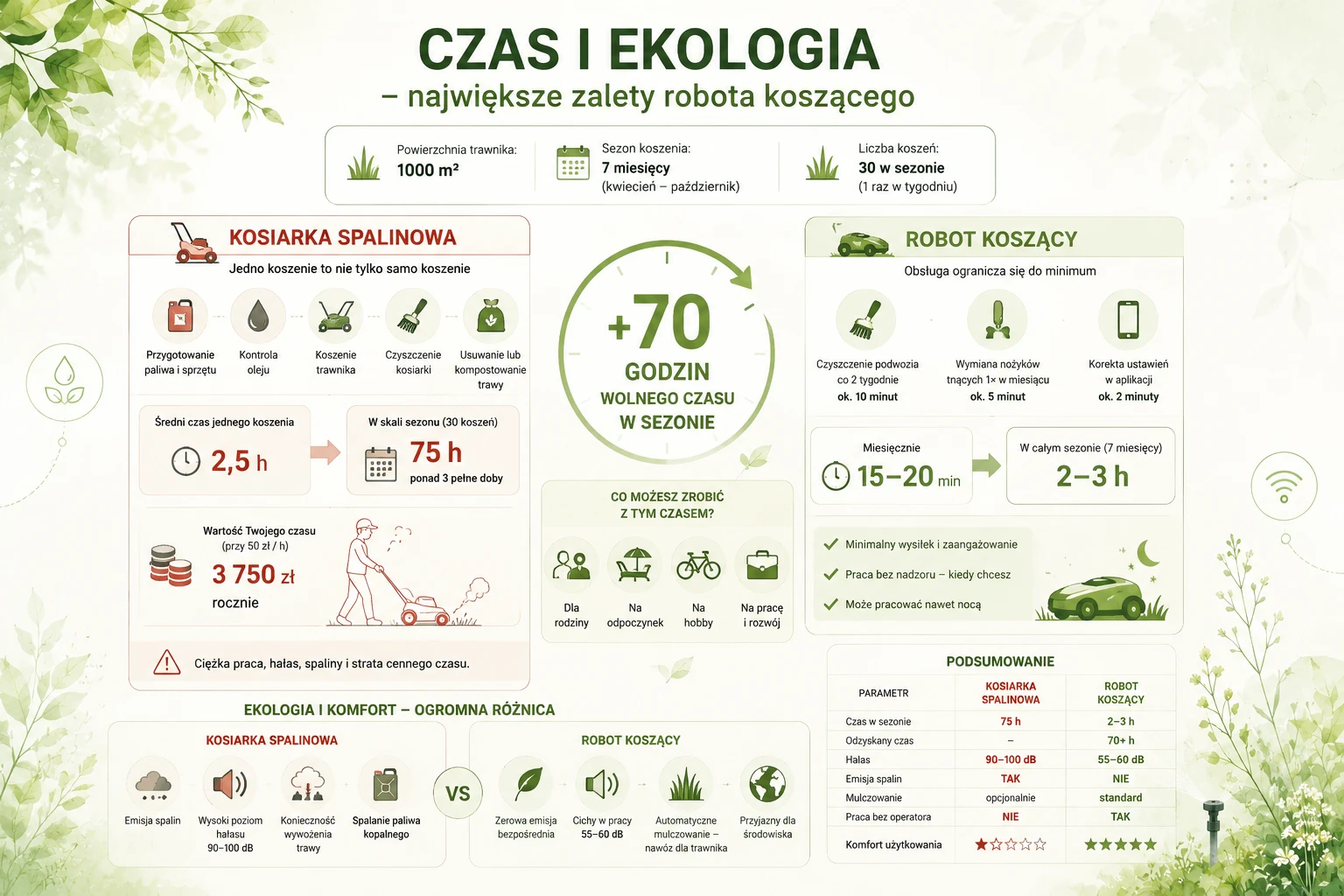
Let's go back to our 1,000 m² benchmark garden.As we calculated, one mowing session takes about.2 hours of hard, physical labor.However, we must also factor in the preparatory and cleanup tasks: taking the equipment out, checking the oil level, refueling from a can, putting on work clothes, and, after finishing the job, cleaning the mower deck of stuck-on, wet grass and the tedious task of bagging the clippings or hauling them to the compost pile.In reality, a single mowing session takes at least 2.5 hours out of our lives.
- Annual Time Balance: 30 mowing cycles × 2.5 hours = 75 hours.
75 hours is more than 3 full daysthat you spend marching behind a noisy machine amid dust and exhaust fumes.In the business world, this time can easily be converted into money—if you value an hour of your free Saturday at a modest 50 zł, it turns out that doing your own gardening costs you the equivalent of 3,750 zł a year!
How much time do you spend maintaining your robotic lawn mower each week??
And what is the time commitment required of the robot owner??It is limited to routine, preventive inspections of the equipment:
- Cleaning grass clippings from the bottom of the robot with a brush (once every 2 weeks) – OK.10 minutes.
- Replacing the cutting blades (once a month) – OK.5 minutes.
- Adjusting settings in the mobile app on your smartphone – 2 minutes.
In total, operating the robot takes an average of about.15–20 minutes over the course of a month.Over the course of the season, that amounts to about.2–3 hours spent on minor maintenance tasks that can be done effortlessly and without getting tired.You gain over 70 hours of free time to spend with your family, pursue your hobbies, or work on professional projects.
Environmental Impact and Exhaust Emissions – Is a Robotic Lawn Mower Really More Eco-Friendly??
Traditional gas-powered lawn mowers are like little smog factories.Most of them are powered by simple four-stroke engines without the advanced catalytic converters or particulate filters we’re familiar with in modern automobiles.Research by environmental protection agencies shows that one hour of operation of a conventional gas-powered lawn mower emits the same amount of unburned hydrocarbons and nitrogen oxides into the atmosphere as driving a new passenger car for several hundred kilometers.On top of that, there’s the issue of noise—operating at 90–100 dB effectively ruins our weekend relaxation and that of our neighbors.
As a 100% electric device, the robotic lawn mower produces zero direct emissions at the site of use.The noise level it generates typically ranges from 55 to 60 dB. In practice, this means that the machine is barely audible from a distance of a few meters and can operate without interruption at night or in the early morning hours without disturbing the peace and quiet.Another environmental benefit is the automatic mulching mentioned earlier—not having to haul away tons of biomass in plastic bags drastically reduces a household’s carbon footprint.
When a robotic lawn mower Can't Replace a Gas-Powered Lawn Mower?
Despite its long list of advantages, automation is not a one-size-fits-all solution that will work in every situation.There are specific scenarios in which a traditional internal combustion engine remains the only reasonable choice.
Among the biggest challenges for robots are gardens with highly complex, fragmented landscape designs, where the lawn is divided into a dozen or so miniature zones separated by high curbs, gravel paths, or stairs, making it impossible to take technical shortcuts.
The automatic device will also fail in “wild meadow”-style gardens, where the ground is littered with deep molehills, protruding sharp tree roots, or field stones, which could immediately damage the robot’s delicate blades and housing.Fruit orchards can also pose a serious obstacle in the fall—hard apples scattered thickly on the ground, pears, or thick branches pose an insurmountable barrier for the robot, whereas a powerful gas-powered mower with a mulching function can break down small organic debris without damaging the drive system.

A comparison of robotic mowers and gas-powered mowers shows that, while traditional mowers still perform well on demanding and irregularly mowed areas, for most home gardens, robotic mowers prove to be a more convenient, economical, and user-friendly solution.Lower operating costs, the robotic mower’s low power consumption, automatic mulching, and savings of up to several dozen hours per season mean that the investment quickly pays for itself.
If you want a perfectly manicured lawn without having to spend your free time mowing it regularly, it’s worth investing in a modern robotic lawn mower tailored to the size and layout of your garden.Check out the available models and choose a machine that will let you enjoy a perfect lawn every day—without noise, exhaust fumes, or unnecessary effort.
Recommended
SIRMEX SC36T ELECTRIC SHARING BRACKET SHARPS GUILLOTINES 32mm EWIMAX OFFICIAL DISTRIBUTOR - AUTHORIZED DEALER SIRMEX
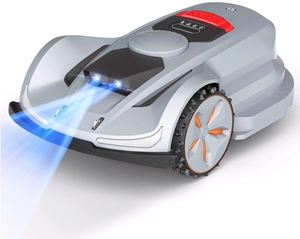
SUNSEEKER X3 CEDRUS X3 ELITE BY SUNSEEKER RTK AUTOMATIC MOWING ROBOT FOR CEDRUS C-MOW X3 800m2 WITHOUT CABLE / WITHOUT WIRELESS - OFFICIAL DISTRIBUTOR - AUTHORIZED DEALER CEDRUS

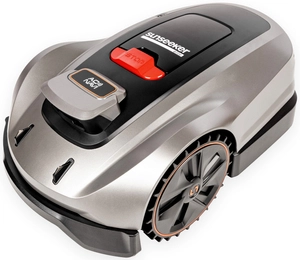
SUNSEEKER X3 Gen 2 RTK ELITE AUTOMATIC MOWING ROBOT CEDRUS X3 Gen 2 RTK FOR CEDRUS C-MOW X3 Gen 2 800m2 WIRELESS / WIRELESS - OFFICIAL DISTRIBUTOR - AUTHORIZED SUNSEEKER DEALER