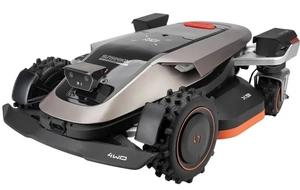
Protecting the Battery and Electronics from Sun and Rain – An Analysis of the Durability of Sunseeker Components

Modern robotic lawn mowers have taken over the task of regular lawn care, offering users convenience and nearly fully autonomous operation.However, the convenience of daily, automatic mowing is made possible by advanced electronics and a power system that are particularly sensitive to weather conditions.Intense sunlight, humidity, extreme temperatures, and seasonal weather fluctuations can have a real impact on the device’s performance over time, which is why protecting the robotic mower’s battery is one of the most important aspects of ensuring its proper operation.
In practice, the battery and electronic modules are among the most expensive components of the entire device, and their condition directly affects the robot's performance.The robotic mower's modern lithium-ion battery ensures high energy efficiency and a long runtime, but only when it operates under the right conditions.In this article, we'll take a look at what actually affects the battery life of a robotic lawn mower, how sun and rain affect the electronics, and what steps you can take to reduce the risk of costly breakdowns.
Table of Contents:
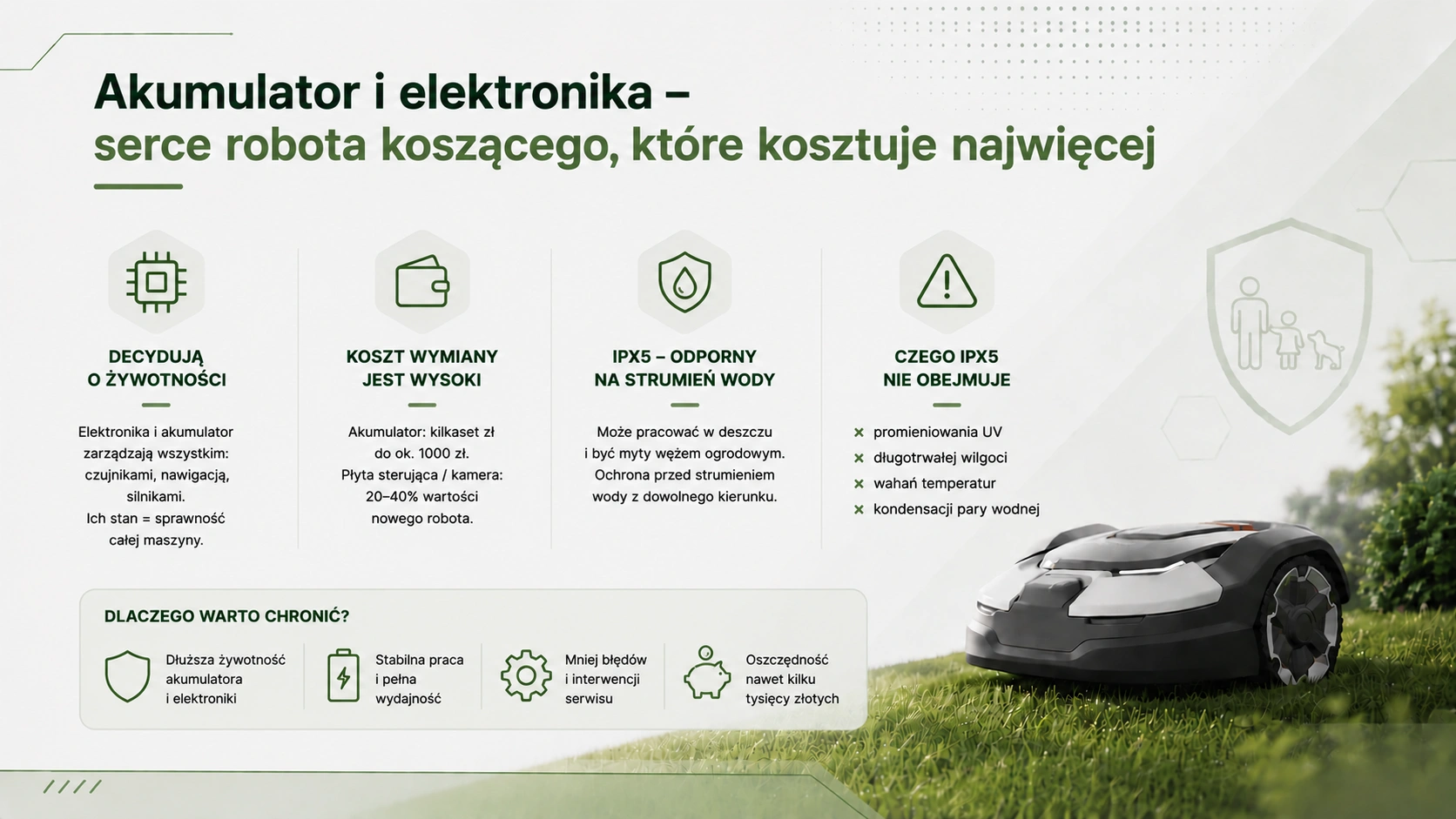
- The battery and electronics—the heart of the mowing robot, which is the most expensive part
- How do lithium-ion batteries work in Sunseeker robots, and what causes them to fail??
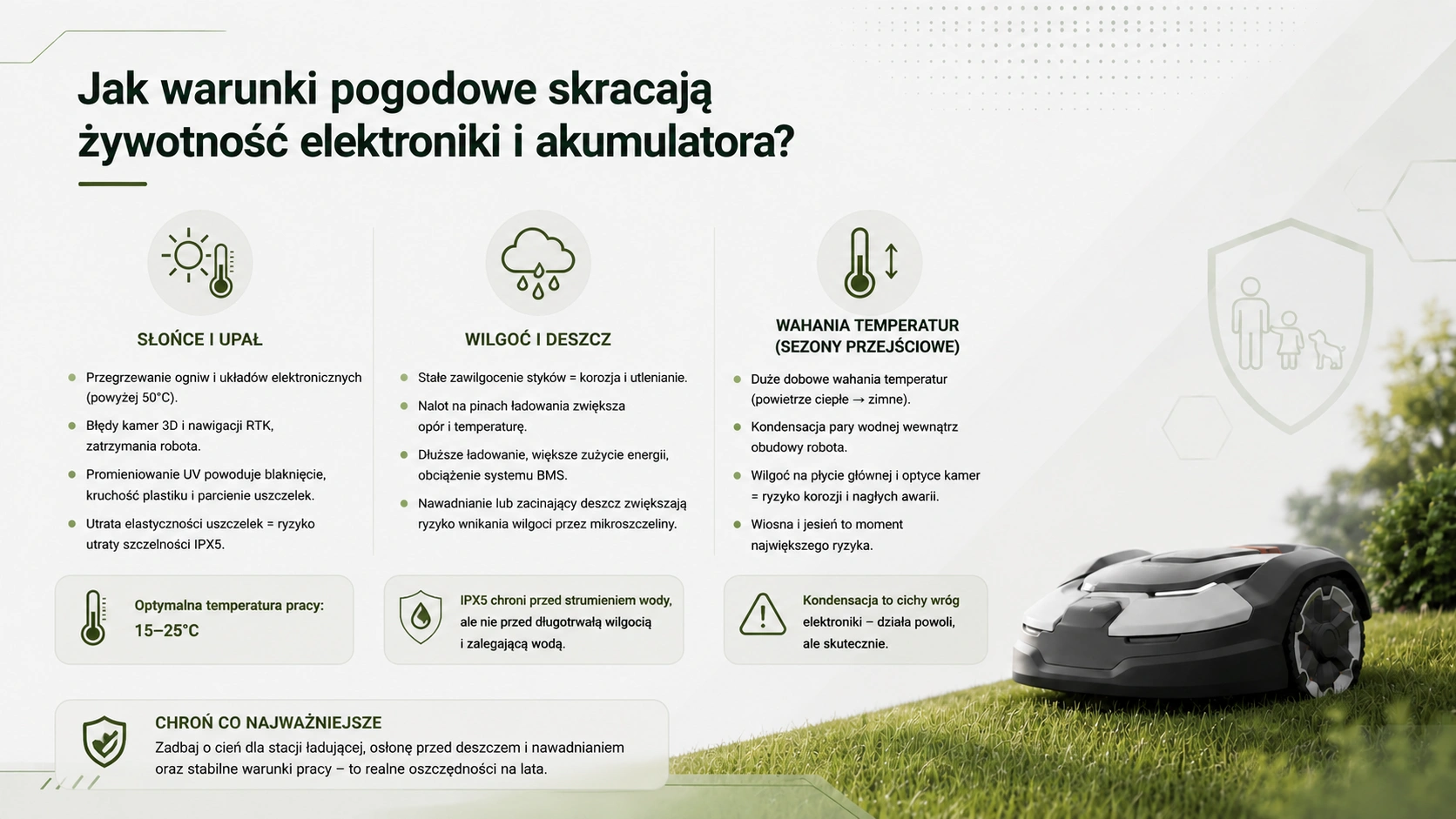
- How the Sun and Heat Affect Electronics and Batteries?
- How moisture and rain affect electronics and the battery?
- Temperature fluctuations and transitional seasons—the period of greatest risk
- How to Effectively Protect the Battery and Electronics of a Sunseeker Robotic Lawn Mower?
The battery and electronics—the heart of the mowing robot, which is the most expensive part
Modern robotic lawn mowers are advanced computers on wheels, in which traditional mechanical components have been reduced to a minimum.Brushless drive and cutting motors are characterized by a very low failure rate.The machine's performance depends on the condition of its integrated circuits and energy storage cells.
Why do these particular components determine the service life of the entire machine??
Lawn mowers that operate in an automated system base their operation on continuous data analysis.The processors process signals from crash sensors, gyroscopes, RTK (Real-Time Kinematic) satellite positioning modules, and Vision AI optical systems (artificial intelligence based on image analysis from cameras).
All of these systems require a stable power source free from voltage fluctuations.If battery performance declines, not only does the operating time per charge cycle decrease, but communication between components is also disrupted.The electronics and battery determine whether the robot will operate efficiently or begin to generate system errors and require service intervention.
The Cost of Replacing the Battery and Control Module – Actual Amounts
Neglecting the maintenance of electronic systems can have serious financial consequences.A battery for a Sunseeker robot costs anywhere from a few hundred zlotys to about a thousand zlotys for models with the highest capacity.On the other hand, replacing the main control board or an advanced camera module after water damage often costs between 20% and as much as 40% of the value of a new device. Given that a professional robotic lawn mower costs anywhere from a few thousand to over a dozen thousand zlotys, properly protecting the robotic lawn mower’s battery and electronics is a direct investment in real savings.
IPX5 Protection Rating – What It Means in Practice and What It Doesn't Cover?
Sunseeker robots are rated IPX5 for water resistance.According to the international standard DIN EN 60529, this means protection against a stream of water flowing from a nozzle (6.3 mm) at low pressure from any direction. In practice, this allows you to work safely in the rain and enables you to wash the machine directly with a garden hose (you can read more about maintenance procedures in our dedicated article on cleaning the robot and its sensors).
However, it is important to clearly emphasize where the limits of the protection guaranteed by the IPX5 rating lie.This certificate attests to resistance to a single, dynamic test event (water jet). However, this does not mean that the machine is fully resistant to prolonged, months-long exposure to extreme weather conditions, such as:
- Ultraviolet (UV) radiation, which degrades the structure of plastics and gaskets,
- Prolonged exposure to conditions of constant humidity,
- Constant temperature fluctuations that cause microcracks in the material,
- The phenomenon of water vapor condensation inside the housing.
How do lithium-ion batteries work in Sunseeker robots, and what causes them to fail??
Sunseeker devices are equipped with a state-of-the-art lithium-ion battery for the robotic lawn mower.This technology is characterized by high energy density and the absence of the so-called memory effect. However, its service life depends directly on strict adherence to the operating parameters.
Battery Capacity and Specifications for the X3, X3 PLUS, X5, X7, and X7 PLUS Models
Individual models of Sunseeker automated robots are equipped with battery packs of varying capacities, tailored to the intended work area and operating time.These parameters are as follows:
- Sunseeker X3.Li-ion battery with a capacity of 4 Ah (rated voltage 20 V).The operating time is approximately.60–145 minutes, and the charging time is about.70–110 minutes.
- Sunseeker X3 PLUS.Li-ion battery with a capacity of 5 Ah (20 V).It provides an operating time of approximately.80 minutes with a charging time of 60–80 minutes.
- Sunseeker X5.Li-ion battery with a capacity of 5 Ah (20 V).It provides an average of 72 minutes of continuous mowing, requiring about.80 minutes of charging.
- Sunseeker X7 and X7 PLUS.The most powerful battery packs with a capacity of up to 10 Ah.This translates to a runtime of 100–142 minutes, with a similar recharge time (80–142 minutes).
Charge cycles—how many will “last” during a typical season?
The lifespan of lithium-ion cells is measured by the number of full charge and discharge cycles (0–100%).A standard, high-quality Li-ion battery retains more than 80% of its rated capacity for approximately 500 to 1,000 cycles.Under Central European climatic conditions, during a typical growing season (April through October), the robot performs an average of 100 to 250 cycles.This means that, provided optimal operating procedures are followed, the factory-installed battery should easily last for 3 to 7 seasons of stable operation.After that time, its capacity will decrease, which will shorten the duration of individual trips, but the robot will still remain operational.
High temperatures—the main enemy of lithium-ion cells
The optimal operating temperature for the robotic lawn mower and its charging process falls within a narrow range of 15°C to 25°C. Exceeding the 40°C threshold triggers irreversible chemical reactions inside the cells (m.in.(accelerated degradation of the SEI passive layer on the anode).The rate at which the battery's internal structure ages then increases exponentially.
For example: The robotic lawn mower remains in its charging station, which is located in an open, sunny part of the garden.On a July afternoon, the black plastic casing can heat up to 50–60°C.Starting the charging process under such thermal conditions generates additional exothermic heat.Such constant, long-term use in extreme heat can shorten the battery pack's lifespan by 30–40% in as little as two or three seasons.
Extreme cold and deep discharge—the other side of the problem
In winter, the chemical processes in the cells slow down dramatically.Attempting to charge a Li-ion battery at temperatures below 0°C leads to permanent structural damage—a phenomenon known as lithium plating, which drastically reduces capacity and, in extreme cases, causes an internal short circuit.
Equally damaging is deep discharge (a voltage drop below the safe threshold of 5–10%).If you leave the machine uncharged for an extended period of time, the built-in BMS (Battery Management System) will cut off the power to protect the cells; however, natural chemical self-discharge will lead to irreversible damage to the battery’s structure.
How the Sun and Heat Affect Electronics and Batteries?
Prolonged exposure to high temperatures and solar radiation is a stress test for the robot's hardware components.Not only do the cells overheat, but so do the microprocessors on the motherboard.When exposed to temperatures exceeding 50°C, advanced Vision AI optical systems (3D cameras) and RTK navigation receivers may temporarily lose operational stability, resulting in positioning errors and causing the machine to stop on the lawn.
An additional problem is the damaging effect of UV rays on the external components of the housing.When exposed to sunlight, plastics fade, but worse still—they lose their plasticizers.The plastic becomes brittle, and the rubber seals protecting the service ports and body joints crack.When the seals lose their elasticity, the nominal IPX5 rating no longer guarantees actual water resistance.
How moisture and rain affect electronics and the battery?
Although the Sunseeker handles rain without any problems while mowing, persistent moisture poses a real threat.Leaving the robot parked for an extended period in a charging station that is constantly sprayed by automatic garden irrigation systems or directly exposed to heavy rain carries the risk of moisture seeping in through micro-cracks..
Water that gets near the charging contacts accelerates the process of their electrochemical corrosion (oxidation).Charging pins covered with a layer of residue generate higher electrical resistance.As a result, the charging station must increase the charging current, which generates excessive heat, prolongs the charging time, and places an unnecessary strain on the built-in BMS.
Temperature fluctuations and transitional seasons—the period of greatest risk
Spring and early fall are the seasons with the greatest daily temperature fluctuations (e.g., +3°C at night and +18°C during the day).This phenomenon leads to a dangerous physical process—the condensation of water vapor inside the robot's hermetically sealed housing.
When the robot, heated up after a day's work, returns to the station, the air trapped inside its body carries a certain level of humidity.A sudden drop in ambient temperature at night causes the enclosure temperature to drop rapidly, causing the dew point to be exceeded.Moisture condenses directly on the electronic components, the motherboard, and the camera optics.This process, when repeated many times, leads to slow, hidden corrosion of the current paths and sudden electronic failures.
How to Effectively Protect the Battery and Electronics of a Sunseeker Robotic Lawn Mower?
Adopting a few basic habits and installation guidelines is a simple way to minimize the risk of the degradation processes described above.
Charging station location—not in direct sunlight, not in a flood-prone area
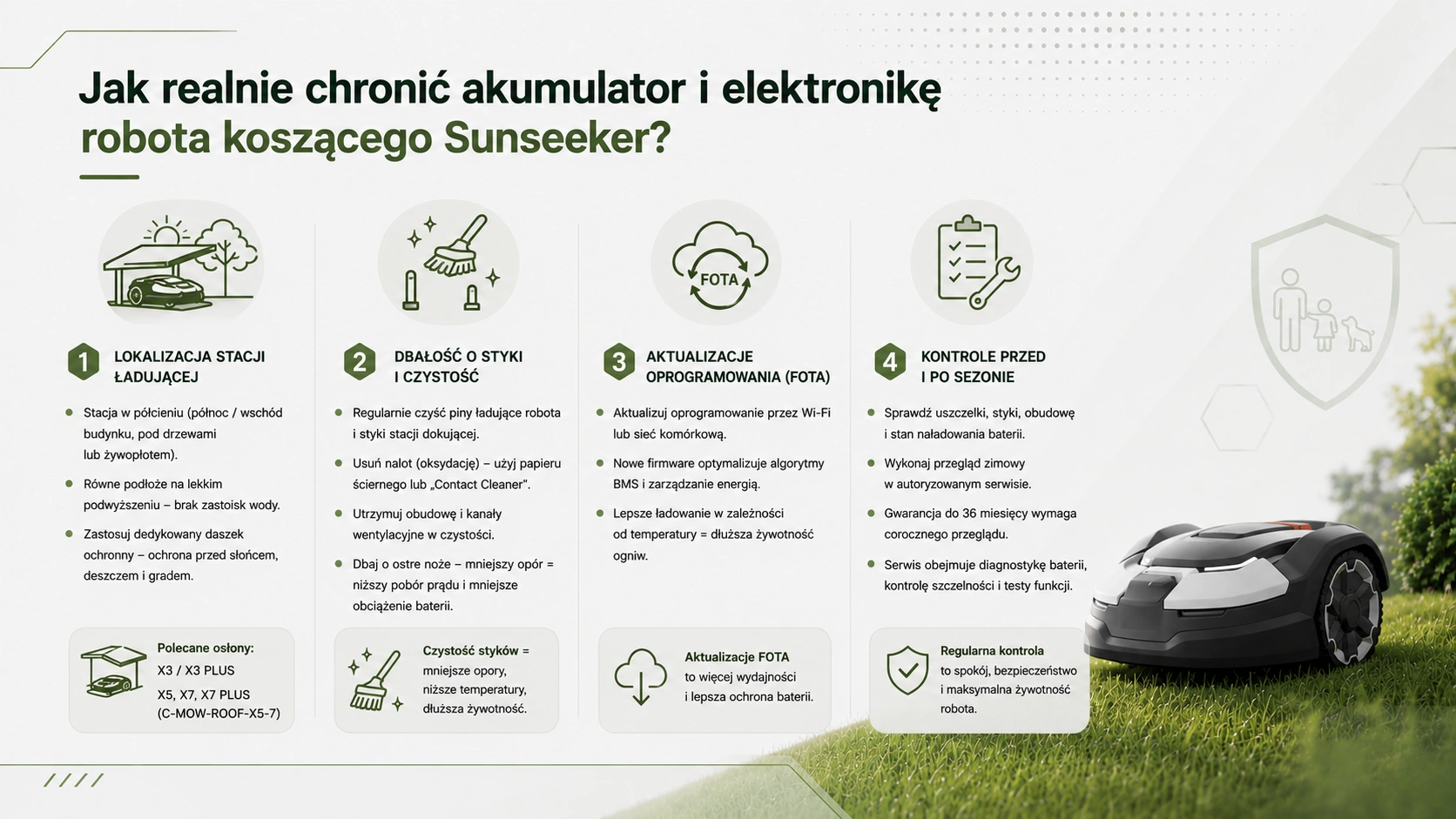
Choosing the location for installing the docking station is crucial.The station must be located in a naturally shaded area (e.g., on the north or east side of a building, under the canopy of trees, or behind a tall hedge)..The ground must be perfectly level and located on a slight elevation to prevent water from pooling during heavy downpours.
The most effective way to protect against the sun, hail, and direct rain is to use a dedicated protective canopy.For owners of compact models, the Sunseeker X3 / X3 PLUS charging station cover is the ideal choice .For larger machines, optimal storage conditions are ensured by a dedicated cover for the charging station of the Sunseeker X5, X7, and X7 PLUS mowers (C-MOW-ROOF-X5-7). .You can find a detailed analysis of how protective covers affect a device’s heat balance in our feature article on protective canopies.
Maintaining the charging contacts and keeping the housing clean
The robot's charging pins and the contact pads in the docking station should be checked regularly.If you notice a gray or copper-colored coating (oxidation), gently clean the contacts using fine-grit sandpaper or a product such as "Contact Cleaner." It is equally important to ensure that the ventilation channels remain unobstructed and to remove any debris blocking the free movement of the cutting blades (increased mechanical resistance leads to higher current draw and puts a greater strain on the cells—we discuss this topic in more detail in the article on blade maintenance).
Software updates (FOTA) – these also affect battery management
Sunseeker robots support FOTA (Firmware Over The Air) updates via Wi-Fi or a cellular module.Regularly installing new software provided by the manufacturer is essential for protecting the battery.Engineers are constantly optimizing the energy management algorithms of the BMS's embedded system. The new software can, for example, adjust the charging curve based on prevailing outdoor temperatures, which directly extends the service life of the cells.
Routine pre-season and post-season inspections
Before starting up the robot in the spring and after finishing work in the fall, it is necessary to conduct a technical inspection.Check the condition of the housing seals and verify the battery charge level.It is worth noting that Cedrus’s official extended warranty of up to 36 months is directly contingent upon having an annual professional winter inspection performed at an authorized service center.This service includes m.in.detailed computerized battery performance diagnostics, verification of capacity loss, and professional testing of electronic systems for leaks.
Properly protecting the robotic mower's battery and its sensitive electronic components does not require the user to have advanced technical knowledge or follow complicated procedures.The key to success is understanding the fundamental laws of physics governing lithium-ion cells and counteracting the negative effects of prolonged exposure to sunlight, rain, and freezing temperatures.Following the guidelines for storing your Sunseeker robot, using protective covers, and properly winterizing the machine will ensure that it maintains its factory performance and remains in excellent condition for many years to come.
Investing in an automated robot is a step toward the perfect garden, so it’s worth ensuring it will operate trouble-free for years to come.If you're looking for professional support, genuine accessories, and authorized service, visit the Ewimax online store.As an official distributor of the Sunseeker brand, we provide full access to state-of-the-art robotic lawn mowers and dedicated charging station covers that protect electronics from the sun and rain, and we also offer comprehensive winter inspections.Protect your equipment with the help of the experts at Ewimax and enjoy a beautiful lawn without any worries!
Recommended

SUNSEEKER CEDRUS ORION X7 BY SUNSEEKER RTK C-MOW X7 AUTOMATIC MOWING ROBOT FOR 3000m2 - OFFICIAL DISTRIBUTOR - AUTHORIZED DEALER CEDRUS
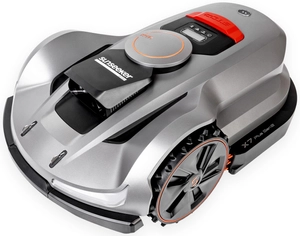
SUNSEEKER X7 PLUS Gen 2 RTK ELITE AUTOMATIC MOWING ROBOT CEDRUS X7 PLUS Gen 2 RTK FOR CEDRUS C-MOW X7 PLUS Gen 2 6000m2 WIRELESS / WIRELESS - OFFICIAL DISTRIBUTOR - AUTHORIZED SUNSEEKER DEALER
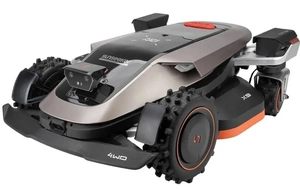
SUNSEEKER X9 Gen 2 RTK ELITE ROBOTIC LAWN MOWER CEDRUS X9 Gen 2 RTK AUTOMATIC LAWN MOWER CEDRUS C-MOW X9 Gen 2 12,000 m² WIRELESS / CORDLESS - OFFICIAL DISTRIBUTOR - AUTHORIZED SUNSEEKER DEALER