
Lawn scarifiers - how to choose the best equipment for lawn care?
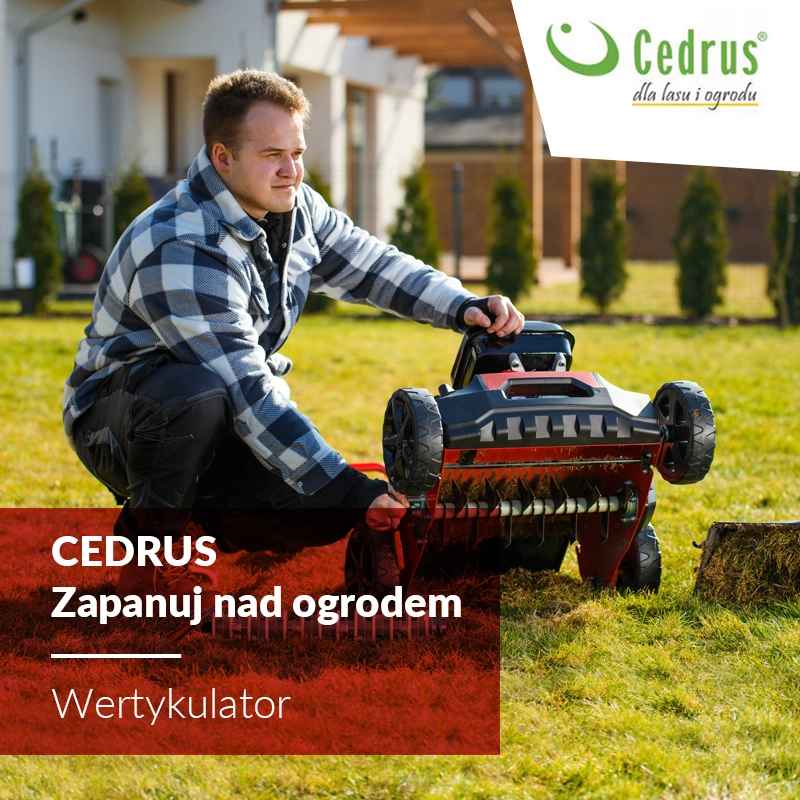
Lawn scarification is one of the most important maintenance procedures to keep the lawn in excellent condition. It involves removing moss, felt, dry grass blades and loosening compacted soil. This gives the grass roots better access to air, water and nutrients. Special tools are used for the procedure - scarifiers, available in manual, electric and diesel versions.
when to scarify your lawn
how to scarify a lawn step by step
scarifying the lawn in spring and autumn
how often to scarify the lawn
what the lawn looks like after scarifying
what is the difference between scarification and aeration
whether it's worth it to scarify your lawn
which lawn scarifying tools to choose
scarifier for a small garden
best scarifier for large lawn
how to prepare a lawn for scarifying
what to do after scarifying your lawn
lawn regeneration after scarifying
the most common mistakes when scarifying a lawn
How scarification works?
When scarifying, the blades of the scarifier cut the turf to a depth of 5 to 40 mm. In this way, they remove dead plant parts and moss from the lawn, while loosening the soil. The result is better aeration of the lawn and faster grass regeneration.
How to properly scarify a lawn?
Prepare your lawn - remove stones, branches and other obstacles.
Check soil moisture - Ideally, it should be slightly moist, but not wet or dry.
Set the right depth - make the first passage shallower, the next a little deeper.
Make passes in two directions - first along, then across the lawn.
Remove debris after scarifying - A rake, leaf vacuum cleaner or sweeper will work great.
Water and reseed if necessary - this will speed up the regeneration of the turf.
When to do lawn scarification?
The best time to scarifying the lawn it:
spring - After the frost has passed, when the grass begins to grow intensively,
autumn - Just before the first cold weather, when the grass is preparing for winter.
It is worth remembering that too frequent scarification can weaken the lawn, so it is performed 1-2 times a year.
Scarifying versus aerating - what are the differences?
Although often confused, these are two different treatments:
scarification - removes moss, felt and dead stalks and by incising the soil improves its structure,
aeration - involves pricking the soil (e.g., with an aerator) for aeration and better water penetration.
In practice, it is best to combine both treatments so that the lawn develops healthily.
Which tool to choose for scarifying your lawn?
The choice of scarifier depends on the size of the garden:
hand scarifier - best for small lawns,
electric scarifier - Ideal for medium-sized gardens,
petrol scarifier - Recommended for large areas and intensive use.
A well-chosen tool reduces working time and ensures even results.
The most common mistakes when scarifying a lawn
cuts that are too shallow or too deep,
working on wet or overdried lawn,
performing the procedure too frequently,
lack of tool maintenance, which promotes the spread of diseases.
By avoiding these mistakes, you will ensure your lawn's quick recovery and dense, green appearance.
FAQ - frequently asked questions about scarification
Is scarification necessary every year?
It is recommended to carry it out once a year, and in the case of intensively used lawns - twice.
How deep to cut turf?
First pass 5-10 mm, next pass 10-15 mm.
What to do after scarifying?
Remove the debris, water the lawn, reseed the grass and possibly apply a regenerative fertilizer.
What is scarification?
Scarification is the process of mechanically breaking the surface of the soil to improve the flow of air, water and nutrients to plant roots. This is an essential maintenance practice for a healthy lawn or garden.
Why you should scarify your lawn?
Scarifying has several benefits, such as reducing soil compaction, eliminating dead plant material, facilitating root access to nutrients, and improving air and water flow in the soil.
What tools to use to scarify your lawn?
Scarifying is carried out with a scarifier, a special tool designed for this purpose. The scarifier can be manual (resembling a sharp rake) or powered by an electric or internal combustion engine. Choosing the right tool depends on individual preference and the size of the lawn.
When is the best time to scarify?
The best times to scarify the lawn are early spring or late autumn, when the grass is in the active growth phase. Avoid scarifying during drought or extreme weather conditions.
How deep to cut turf?
We scarify in two directions, the first cut is shallower from 5 to 10 mm deep. Make the second pass of the scarifier at a depth of 10 to 15 mm.
What to do after scarifying?
After scarifying, first remove the debris, then reseed the grass. After scarifying, it is also recommended to fertilize and water generously. Note that after scarifying your lawn, it will initially look worse than before you scarified it. This condition will persist for up to several weeks, as the recovery process is time-consuming.
What to do with waste after scarification?
After scarifying, the lawn should be cleaned of plant debris, using, for example, a rake. It's best to put them in a bag for organic waste. Storage in a compost heap is not recommended, as scarification residue can be a source of fungal spores.
Is scarification necessary every year?
Frequency of scarifying depends on the condition of the lawn and soil. It is recommended to carry out scarification at least once a year. However, for lawns that are heavily used or have soil compaction problems, more frequent scarification may be necessary.
Can I scarify the lawn myself?
Yes, there are scarifiers available for home use that can be rented or purchased. You can also use the services of professional lawn care companies.
Can scarifying harm your lawn?
Proper scarification is beneficial to the lawn, but excessive mechanical damage can be harmful. It is important not to scarify too often or too aggressively, which can damage the roots of the grass.
With regular scarifying the lawn get rid of moss and felt, improve soil structure and give your turf a healthy, dense and green look all season long.
scarifying the lawn
scarification
scarifier
electric scarifier
petrol scarifier
lawn aeration
"Lawn scarifiers - ranking, reviews and prices of the best models [Ewimax store]"
"Which lawn scarifier to buy? User reviews, prices and buying tips"
"Lawn scarifier electric or petrol? Ewimax store comparison, reviews and prices."
"Best lawn scarifiers - check rankings, reviews and promotions [Ewimax.en]"
"Garden lawn scarifiers - guide, reviews and attractive prices at Ewimax store"
"Lawn scarifier - how to choose? Reviews, prices and available models at Ewimax.pl"
"Professional lawn scarifiers - ranking 2025, reviews and online store Ewimax"
Recommended
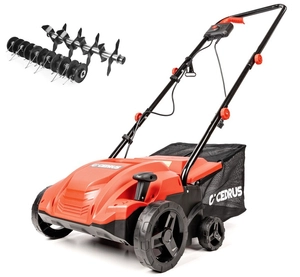
CEDRUS WE32 GREEN AREATOR 2-in-1 AERATOR + 2 ROLLERS 1500W / 32cm CEDWE32 - EWIMAX - OFFICIAL DISTRIBUTOR - AUTHORIZED DEALER CEDRUS
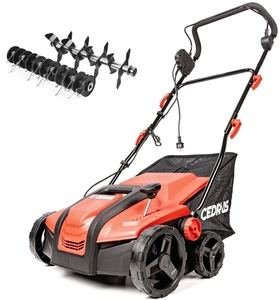
CEDRUS WE38 GREEN AREATOR 2-in-1 AERATOR + 2 ROLLERS 1800W / 38cm CEDWE38 - EWIMAX - OFFICIAL DISTRIBUTOR - AUTHORIZED DEALER CEDRUS

CEDRUS WE40 GREEN AREATOR 2-in-1 AERATOR + 2 ROLLERS 2000W / 40cm CEDWE40 - EWIMAX - OFFICIAL DISTRIBUTOR - AUTHORIZED DEALER CEDRUS

WEIBANG WB457AB SPRINKLING TURBLE 5 HP B&S Briggs & Stratton 750 Series WB457 / WB 457 lawn aerator EWIMAX - OFFICIAL DISTRIBUTOR - AUTHORIZED WEIBANG DEALER
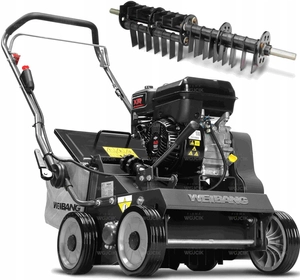
WEIBANG WB384RB PROFI PROFESSIONAL STEADY COMPACT VERTICULATOR Briggs&Stratton WB384 WB 384 EWIMAX - OFFICIAL DISTRIBUTOR - AUTHORIZED WEIBANG DEALER

CEDRUS WR01 SPRELINER TREATER AREATOR 2-in-1 5.5 HP - EWIMAX - OFFICIAL DISTRIBUTOR - AUTHORIZED DEALER CEDRUS
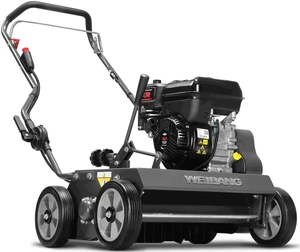
WEIBANG WB486CRB PROFI PROFESSIONAL COMPACTIONAL GRANDFULATOR Briggs&Stratton WB486 / WB 486 - EWIMAX - OFFICIAL DISTRIBUTOR - AUTHORIZED WEIBANG DEALER

CEDRUS SP31131 GARDEN ROLLER WITH WHEELS AERATOR FOR TRAKTORK 152cm - OFFICIAL DISTRIBUTOR - AUTHORIZED DEALER CEDRUS

CEDRUS SP31130 GARDEN ROLLER WITH WHEELS AERATOR FOR TRAKTOR 122cm - OFFICIAL DISTRIBUTOR - AUTHORIZED DEALER CEDRUS
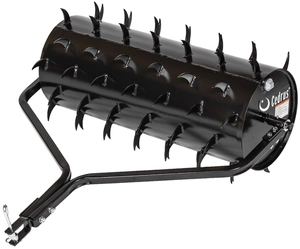

OLEO MAC SCA 38 R DIESEL LAWN SCARIFIER PREMIUM METAL HOUSING 1800792 OFFICIAL DISTRIBUTOR - AUTHORIZED OLEO MAC DEALER

OLEO MAC OM-LINE WE40L 5.5 HP / 40cm PREMIUM METAL CABINET OO-OTHWE40L OFFICIAL DISTRIBUTOR - AUTHORIZED DEALER OLEO MAC

CEDRUS SP31519 AERATOR AREATOR GARDEN FERTILIZER SEED PLACER 2in1 - Poj. 80 L / 103 cm
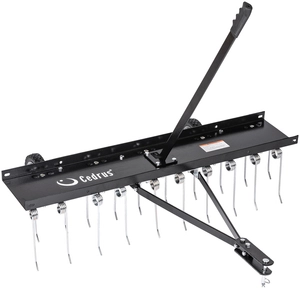

OLEO MAC SCA 50 H HONDA SPRINIONAL VERTICULATOR FOR THE GARVARD AREATOR 5.5 HP / 50cm 1800796 PROFESSIONAL - OFFICIAL DISTRIBUTOR - AUTHORIZED DEALER OLEO-MAC
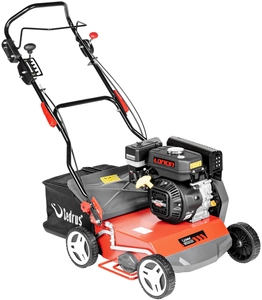

CEDRUS WR01-H SPRELINER TREE TILLER AREATOR 2-in-1 6 HP HONDA GP200 - EWIMAX - OFFICIAL DISTRIBUTOR - AUTHORIZED DEALER CEDRUS
