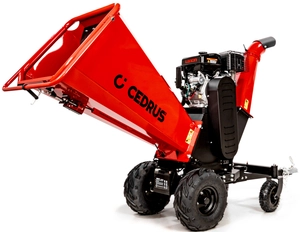
How to Safely Use a Branch Shredder? Safety Tips and Guidelines
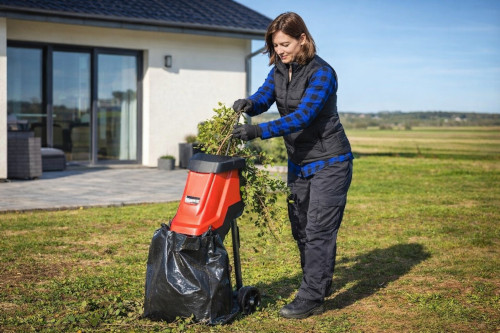
Having your own branch chipper makes gardening and cleanup work in the orchard much easier.It allows you to quickly dispose of large amounts of waste from tree trimming by turning it into valuable wood chips.At the same time, it is important to remember that this is a very powerful machine, equipped with high-speed blades and a motor that generates tremendous suction power.That is why knowing how to use a wood chipper safely is absolutely essential for every user.Failure to follow basic safety procedures can lead to serious injuries and costly damage to equipment.
Safety when operating a wood chipper is not just a matter of being careful, but of consciously following proven procedures and operating guidelines.In this guide, we discuss the most important health and safety rules for working with a wood chipper, provide tips on how to properly prepare the machine for operation, and explain what mistakes to avoid so that the work is not only efficient but, above all, safe for the operator’s health and life.
Table of Contents:
- Why Is Safety So Important When Working with a Branch Shredder??
- The Most Common Hazards When Operating a Wood Chipper
- How to Prepare for Safe Operation of a Wood Chipper?
- What personal protective equipment is required when operating a wood chipper??
- How to Safely Use a Branch Shredder?Step-by-Step Work Instructions
- The Most Common Mistakes Made When Operating a Branch Shredder
- When to stop working and turn off the wood chipper?
Why Is Safety So Important When Working with a Branch Shredder??
A wood chipper is a machine designed to chip hardwood.The cutting mechanisms in gas-powered models generate thousands of revolutions per minute, and the force pulling the material in is so great that a person is unable to react physically in a fraction of a second. Safety when operating a wood chipper is therefore not just a matter of taking care of the machine, but above all, of protecting the operator’s life and health.
A moment of inattention, ignoring instructions, or working without proper safety precautions can lead to serious hand injuries, eye injuries from flying wood chips, or hearing damage.Therefore, every person operating branch chippers must treat health and safety rules as an inviolable foundation of their work.
The Most Common Hazards When Operating a Wood Chipper
Understanding risk is the first step toward eliminating it.The most common risks include:
- Material kickback.A branch that strikes the blades may be violently ejected from the feed hopper toward the operator.
- Pull-in.Loose clothing, gloves with long cuffs, or hair can get caught in a branch that’s being pulled in.
- Flying Shrapnel.Small wood chips ejected at high speed through the exhaust stack or intake hopper.
- Noise and Vibration.Prolonged exposure without protection can lead to permanent hearing damage.
How to Prepare for Safe Operation of a Wood Chipper?
Before starting the engine, take 5 minutes to prepare the machine and the surrounding area.This is the easiest way to avoid most emergencies.
Checking the Wood Chipper's Technical Condition Before Starting It Up
Every wood chipper user manual begins with a section on inspection.Make sure that:
- All screws on the housing and the cutting mechanism are tightened securely (vibrations can cause them to loosen).
- The knives are sharp and have no nicks.
- There are no foreign objects (stones, wires, old wood chips) in the cutting chamber..
- Gasoline-powered wood chippers also require checking the oil and fuel levels.
A suitable work area and a stable machine setup
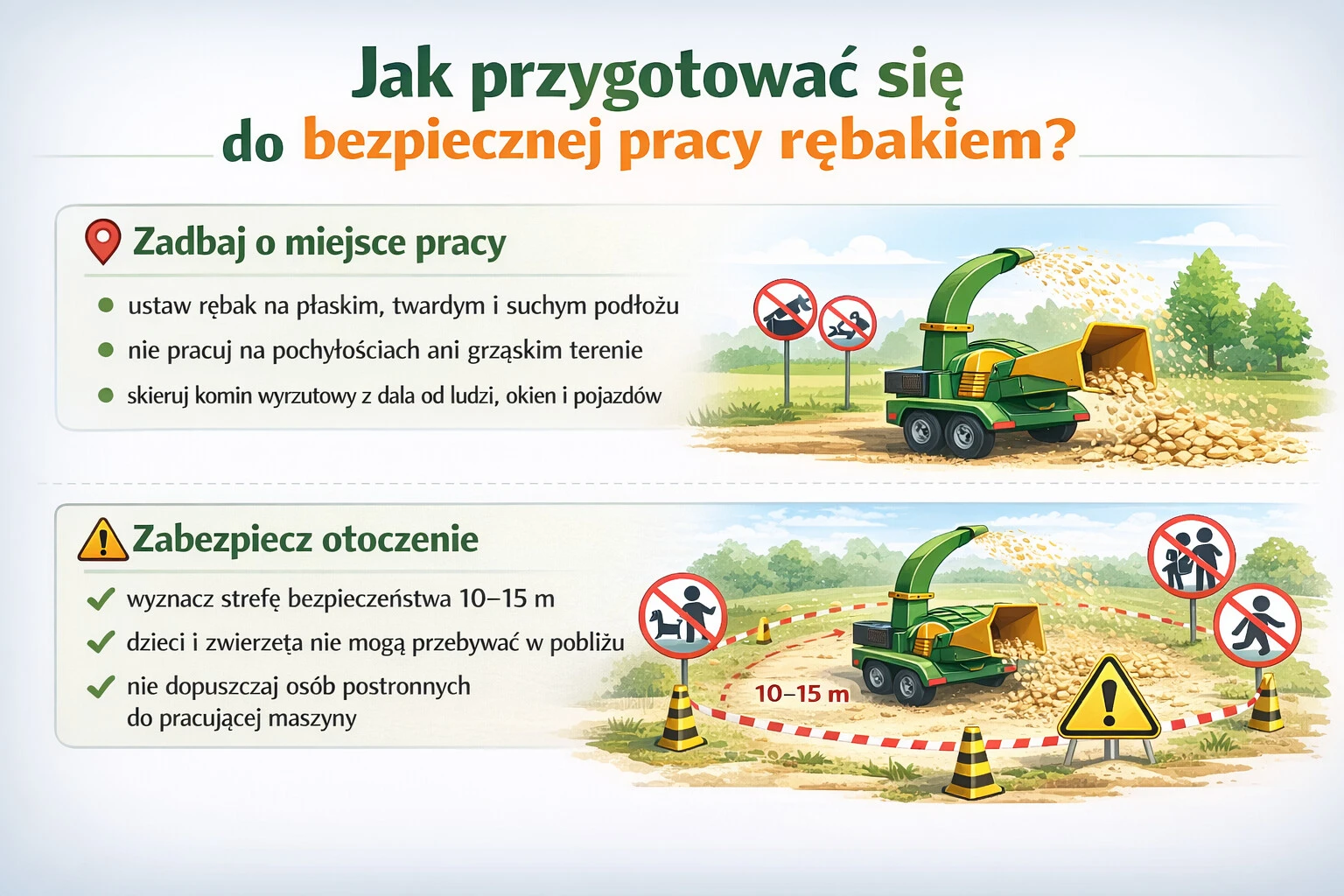
The wood chipper must be placed on a flat, firm, and dry surface.Placing the machine on a slope or on soft ground may cause it to tip over during operation. Establish a “safety zone” around the machine—children and pets should not come within 10–15 meters of the wood chipper while it is in operation.Also, make sure that the exhaust stack is not directed toward building windows, cars, or other people.
What personal protective equipment is required when operating a wood chipper??
It is impossible to operate a wood chipper safely without the proper equipment for the operator.This is your first line of defense against an accident.
Protective clothing and work gloves
Protective clothing for working with a wood chipper should, above all, fit the body properly.Avoid loose sweatshirts, drawstrings on hoods, dangling straps, or jewelry.
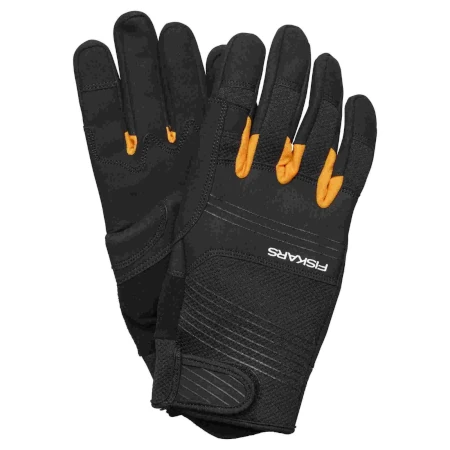
- Gloves.They should be durable, but without long, loose cuffs that could get caught on a branch.Many professionals recommend wearing gloves that fit snugly at the wrist.
- Footwear.Choose closed-toe shoes with non-slip soles, preferably with a steel toe cap to protect your feet from falling heavy branches.
Eye and Hearing Protection
These are absolutely essential elements.Noise levels during shredding exceed safety standards, so ear muffs are essential. Eye protection should be provided by heavy-duty safety glasses or a full-face mesh visor, which protects the entire face from flying debris and “whipping” by small twigs.

How to Safely Use a Branch Shredder?Step-by-Step Work Instructions
Once the machine is ready and you're dressed appropriately, it's time to start shredding.The key here is the technique used to apply the material.
Proper Feeding of Branches into the Wood Chipper
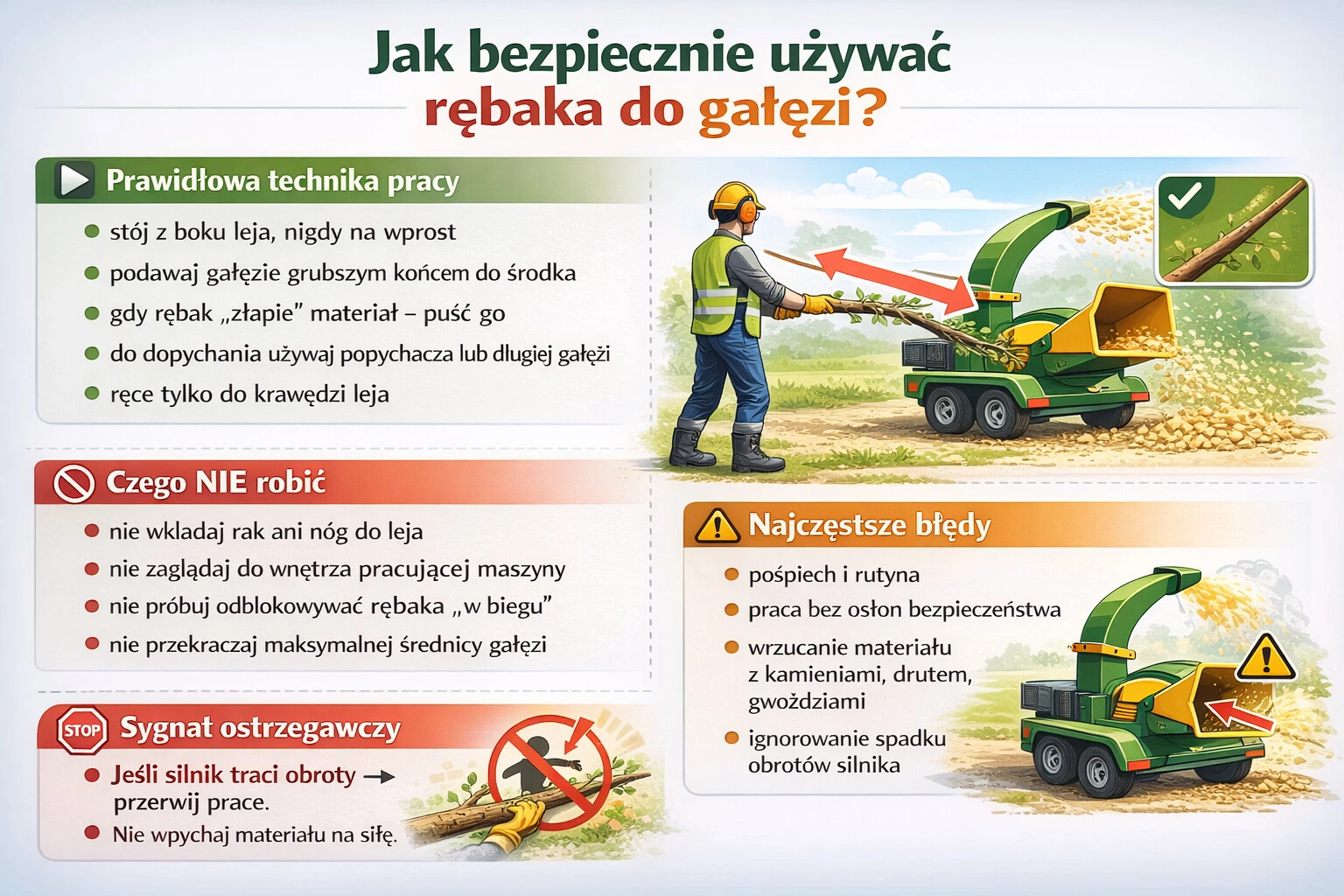
Always stand to the side of the intake chute, never directly in front of it.This way, if a branch happens to fly back, you won't get hit.
- Insert the branches with the thicker end (the butt end) facing the blades.
- When the mechanism catches the branch, release it immediately.Don't try to "guide" her all the way to the end with your hands.
- To push smaller pieces or leaves into place, use a special pusher or another, longer branch.Never put your hand deeper than the edge of the funnel.
What You Should Absolutely Not Do When Operating a Wood Chipper?
There are several behaviors that are a sure path to tragedy:
- Never put your hands into the feed hopper or exhaust chute while the machine is running.
- Never use your foot to push material into the feed chute of the wood chipper.
- Never look directly into the intake hopper to see why the machine has slowed down.
- Do not overload the machine with material that exceeds the diameter specified by the manufacturer.
The Most Common Mistakes Made When Operating a Branch Shredder
Even experienced users fall into the trap of routine.The most common mistakes when operating a wood chipper usually stem from the desire to speed up the work.
Working without safety measures and in a hurry
Removing safety guards to “see the blades better” or to work faster is extremely irresponsible.When we're in a hurry, we stop paying attention to what we're holding in our hands—the funnel may contain stones, pieces of wire from a fence, or nails, which, when they come into contact with the blades, become dangerous projectiles.
Failure to follow the manufacturer's instructions
Every wood chipper model has its limitations.Attempting to grind very wet, fibrous material in a machine not designed for that purpose may cause the drum to jam. If the motor starts to lose speed drastically, don't force the material through—this is a sign that the machine has reached its limit.
When to stop working and turn off the wood chipper?
Knowing when to stop is just as important as knowing how to use a wood chipper.Stop working immediately if:
- You'll hear unusual sounds (tapping, metal scraping against metal).
- You will notice excessive vibration in the machine.
- Smoke or a burning smell will begin to emanate from the cutting chamber.
- The discharge chute will be blocked (before you start cleaning it, turn off the motor and wait until all moving parts have come to a complete stop)!).
- You feel tired—working with dangerous tools requires your full attention.
Remember that for devices such as electric wood chippers , you must unplug them from the outlet before attempting to clean them..For gas-powered models, it’s a good idea to remove the spark plug cap to ensure with 100% certainty that the engine won’t start accidentally while you’re working on it.
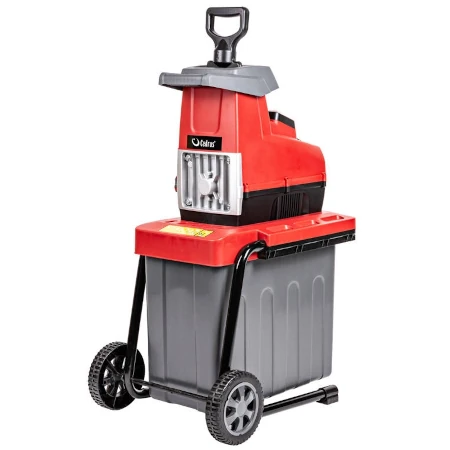
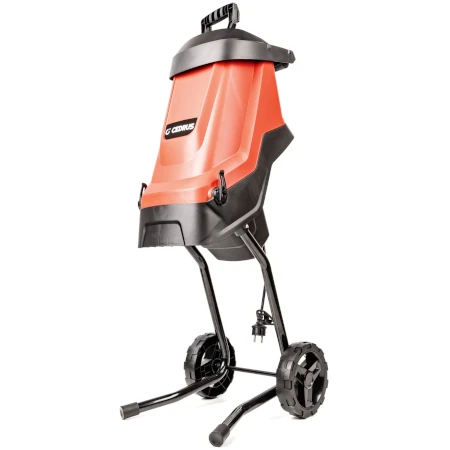
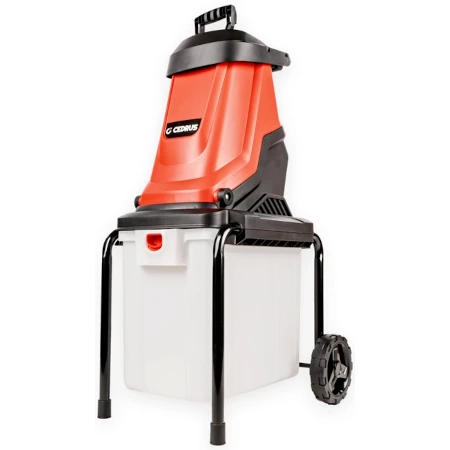
Health and safety rules for operating a wood chipper may seem strict, but they are designed to keep you safe.A well-maintained wood chipper is an invaluable tool and a source of pure satisfaction from a tidy garden.When you invest in high-end equipment from Ewimax, you get machines equipped with state-of-the-art safety systems that make it easier to maintain work standards.
Are you looking for a machine that combines powerful performance with ergonomic safety features??Check out our selection of gas-powered and electric wood chippers.At Ewimax, we make sure your gardening is both efficient and safe!
Recommended
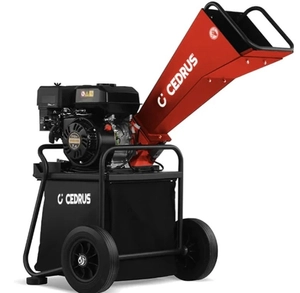
CEDRUS RB01C combustion REBAK SHredder for branches 5cm ! CEDRUS RB 01C CEDRB01C - EWIMAX - OFFICIAL DISTRIBUTOR - AUTHORIZED CEDRUS DEALER
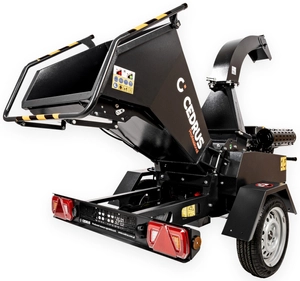
CEDRUS R13 COMBINED REBAK SHredder for communal branches with homologation / 13cm / 24 hp CEDRUS CEDRBR13 RBR13 JONCO R13A/A - EWIMAX - OFFICIAL DISTRIBUTOR - AUTHORIZED DEALER CEDRUS
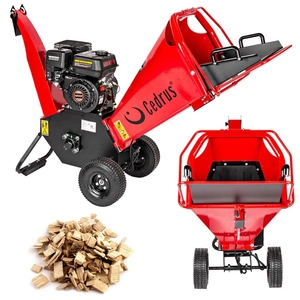
Cedrus RB02 combustion REBAK shredder for 10cm branches ! CEDRUS RB 02 CEDRB02 - EWIMAX - OFFICIAL DISTRIBUTOR - AUTHORIZED CEDRUS DEALER