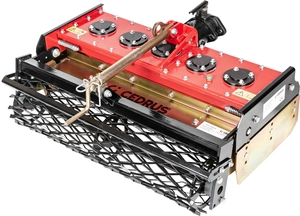
Lawn Restoration and Vegetable Garden Preparation – Schedule for Work with a Rototiller
A beautiful, lush lawn and a healthy, bountiful vegetable garden are no accident.The key to their success is properly prepared soil, which often requires intensive restoration after winter.Compacted, oxygen-deprived soil effectively inhibits root growth, and without proper care, even the best seeds will not produce the expected results.Lawn restoration and preparing the vegetable garden are important steps in spring gardening that determine how the garden will look throughout the season.
Instead of wasting energy on laborious digging, it’s worth turning to modern solutions.A properly selected lawn restoration machine, such as a rotary tiller, allows you to quickly loosen the soil, improve its structure, and create ideal conditions for plant growth.
If you're wondering how to prepare the soil for your vegetable garden and when to plan the next steps, this article is just for you.Check out this practical action plan and see how you can achieve excellent results with less effort.
Table of Contents:
- When to Start Working in the Garden After Winter?Here are some tips
- What Does Lawn Restoration Involve??Step-by-Step Work Schedule
- How to Set Up a Produce Stand?Schedule for Work with a Rototiller
- Which rotary tiller should you choose for restoring your lawn and vegetable garden??
- The Most Common Mistakes in Lawn Restoration and Vegetable Garden Preparation
When to Start Working in the Garden After Winter?We suggest
Many amateur gardeners make the mistake of rushing to start working in the garden as soon as the first warm rays of sunshine appear.However, the key factor is not the air temperature, but the condition of the soil.Restoring the lawn after winter and starting work in the vegetable garden should take place once the ground is no longer frozen but has had time to dry out from the excess water left over from the thaw.
How to check it?Try this simple test: take a handful of dirt and squeeze it in your hand.If it forms into a muddy ball with water oozing out of it, it's still too early.If it crumbles into dust, it's too dry. The ideal soil should be crumbly and slightly moist.Generally, the best time to restore a lawn in the spring is in late March or early April, although this depends on current weather conditions.
What Does Lawn Restoration Involve??Step-by-Step Work Schedule
If your old lawn is full of moss, weeds, and bare patches, the only effective solution is to completely restore it.Below you will find an action plan in which modern lawn restoration equipment plays a key role.
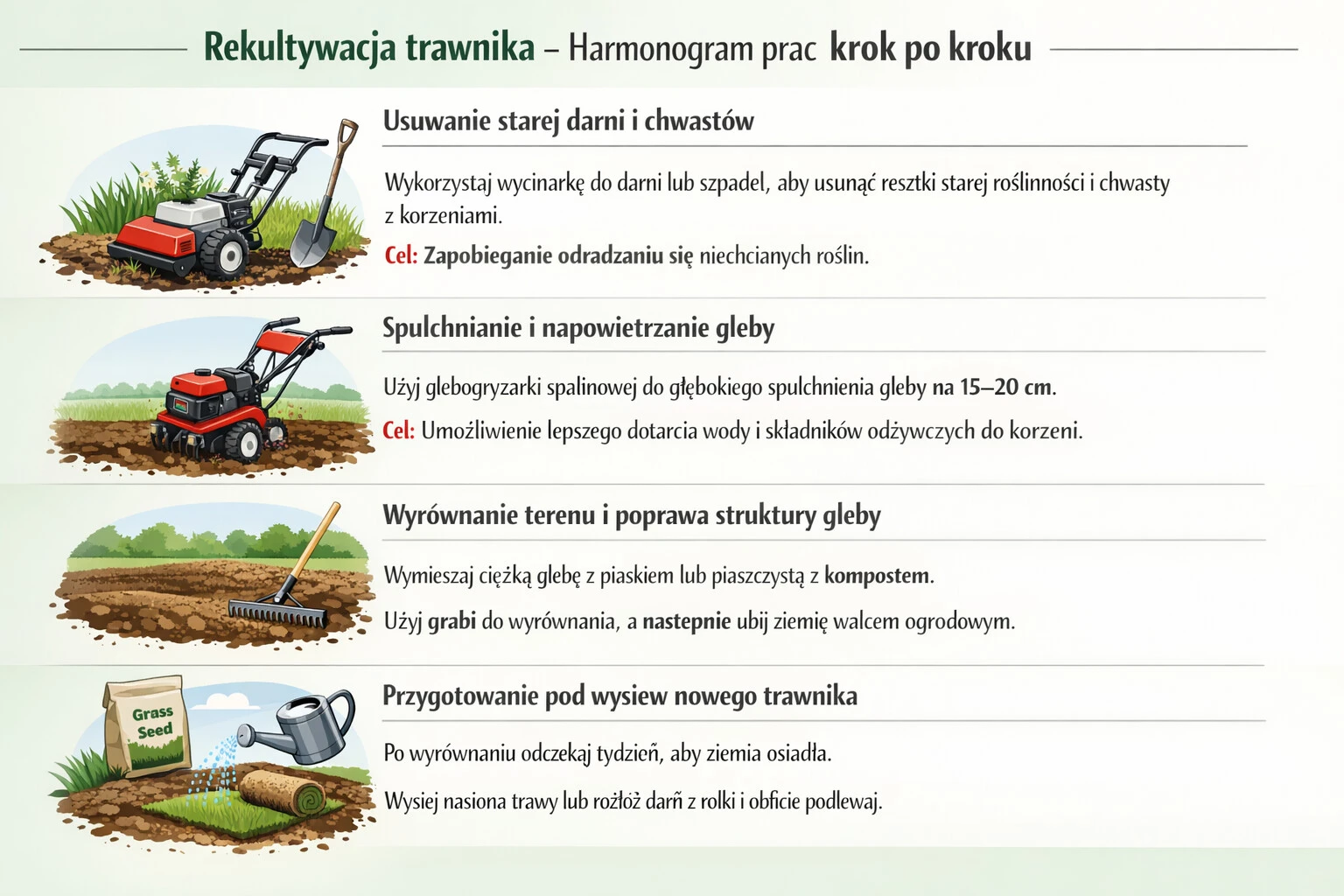
Removing Old Sod and Weeds
The first step in restoring your lawn after winter is to remove the remains of old vegetation.You can do this by hand, cutting the sod with a spade, or use modern equipment, such as a sod cutter , which makes the process much easier and faster.
It is important to remove weeds by the roots, because leaving them behind can cause unwanted plants to quickly regrow after you've laid new sod..
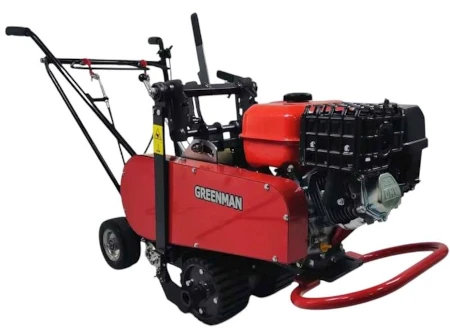
GREENMAN LYZ360DJ Sod Cutter with a Zongshen GB270 Engine
Loosening and Aerating the Soil with a Rototiller
This is the most important stage.Step-by-step lawn restoration requires deep loosening of the soil to a depth of about 15–20 cm. Gas-Powered Tiller is perfect for breaking up hard clumps of soil, aerating it, and creating ideal conditions for the roots of new grass.Thanks to mechanical aeration, water and nutrients will reach the deeper layers of the soil more easily.
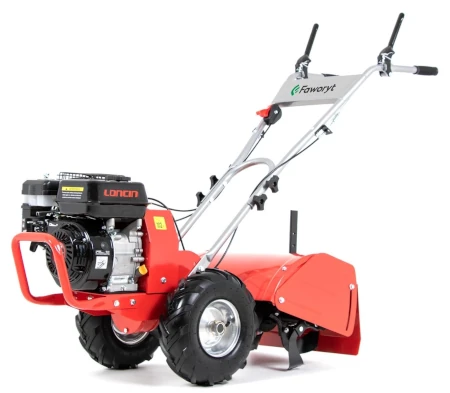
Faworyt SHT48-196L Gas-Powered Tiller
Land Leveling and Soil Structure Improvement
After tilling the soil with a rotary tiller, the soil will be loose and fluffy.This is the best time to make any necessary improvements to its structure.If you have heavy, clay soil, mix it with sand.If the soil is too sandy, add compost. Next, the area should be carefully leveled with a rake and lightly compacted with a garden roller.
Preparing the Ground for Planting a New Lawn
A lawn that has been restored needs time to “reach equilibrium”.After leveling the ground, it's a good idea to wait a week for the soil to settle. Only after preparing the ground in this way should we sow grass seeds or lay down sod from a roll.Be sure to water generously during the first few days after sowing.
How to Set Up a Produce Stand?Schedule for Work with a Rototiller
Growing vegetables requires even more attention to soil structure than a lawn.Preparing a vegetable garden is a process that’s worth planning in advance.
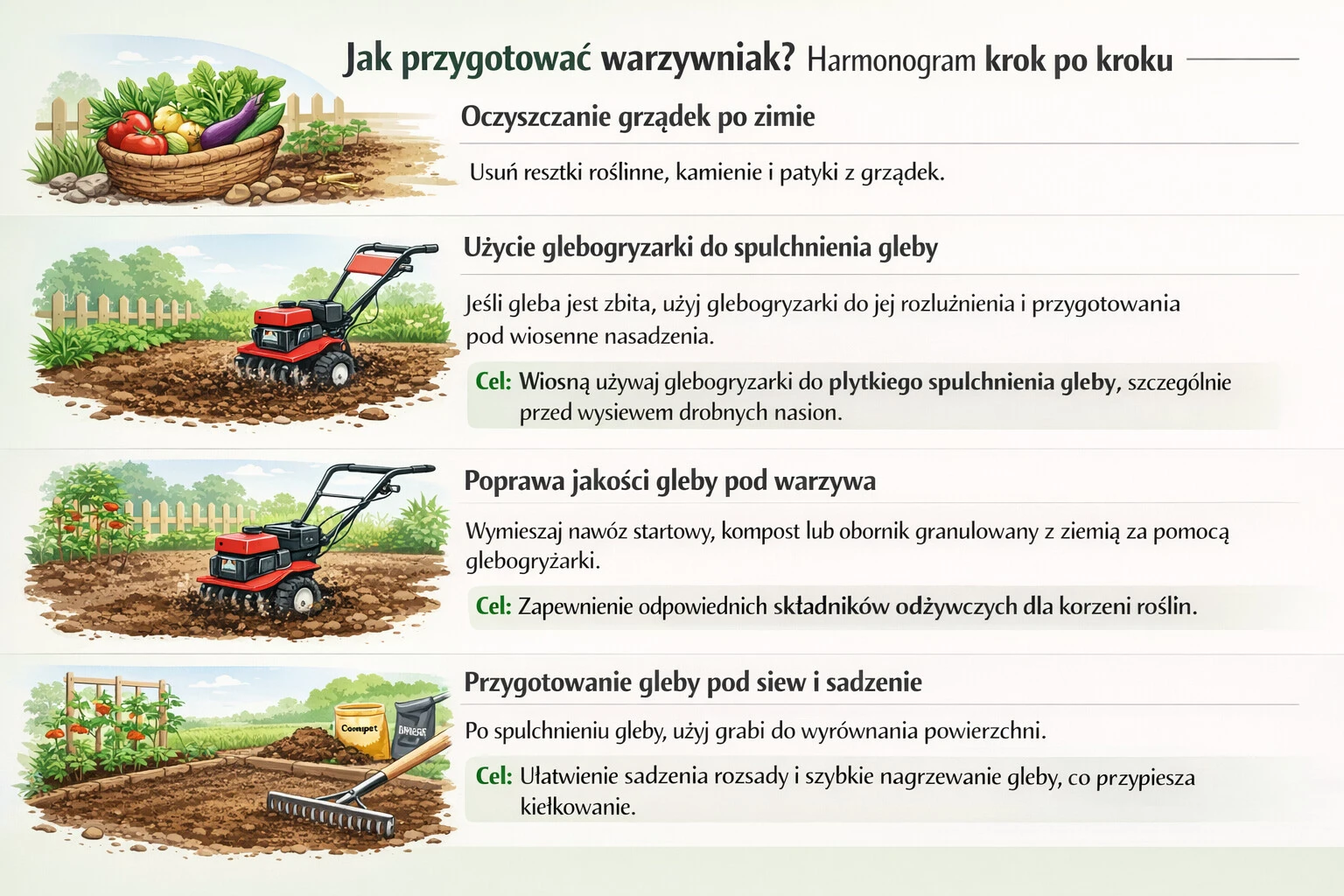
Cleaning Up Garden Beds After Winter
Start by clearing the garden beds of plant debris, stones, and twigs.If you didn't prepare your vegetable garden in the fall, you'll have more work to do now, because the soil may be very compacted.In that case, it’s a good idea to get the right gardening tools , which will help you effectively loosen the soil and prepare it for spring planting.
A Rototiller in the Vegetable Garden – Tips on When and How to Use It
Many gardeners wonder how to prepare the soil for a vegetable garden most effectively.We have an answer! rotary tillers reduce work time by more than a dozen hours compared to a spade.In the spring, we use a machine to lightly loosen and mix the topsoil. This is especially important if you plan to sow small seeds that require a very fine-grained growing medium.

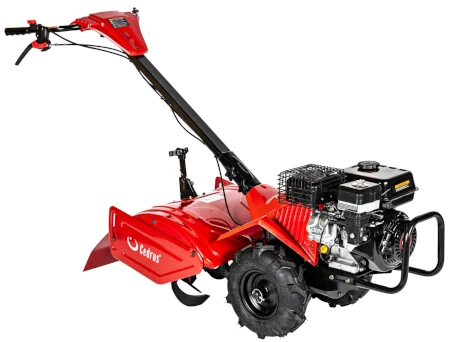
Cedrus CEDTJ02 Single-Axle Tractor
Improving Soil Quality for Vegetable Crops
Spring is the time to fertilize.A rotary tiller will allow you to thoroughly mix starter fertilizer, compost, or pelletized manure into the soil. This ensures that the nutrients will be exactly where the seedlings' roots will look for them.
It’s also worth knowing how to prepare the soil for a vegetable garden in the fall—at that time, we should dig deeply and add a thick layer of organic fertilizer, which will have time to decompose over the winter.
Preparing the Soil for Seeding and Planting
The final step is to smooth out the surface of the garden beds.After using a rotary tiller, the soil is aerated and "light," which makes it easier to mark out rows and plant seedlings.Soil prepared in this way heats up more quickly, which speeds up plant germination.
Which rotary tiller should you choose for restoring your lawn and vegetable garden??
Choosing the right tiller is important for effectively restoring your lawn and preparing your vegetable garden.A rotary tiller is a machine that allows you to quickly and effectively loosen the soil, which is essential, especially after winter, when the soil is compacted and lacks oxygen. Your choice of machine should depend on the size of your garden and the type of soil you'll be working with.
Rotary tiller for the home garden
If your garden is small and you don't need to restore a large area of lawn after winter, electric tillers are your best choice .These machines are lightweight, quiet, and extremely maneuverable, making them ideal for use in small gardens, narrow paths, or greenhouses. Electric models are also ideal for regularly loosening the soil in existing crops, such as vegetable beds.
Advantages of electric tillers:
- Quiet operation – ideal for use in residential spaces.
- Lightweight and agile – easy to maneuver in tight spaces.
- Eco-friendly – no exhaust emissions.
- Inexpensive to operate.

Cedrus GE36 1200W 36cm Electric Tiller
A rotary tiller for a larger vegetable garden
If you have a larger garden where you want to rebuild your lawn from scratch, or if you’re dealing with heavy, clay soil, it’s worth investing in gas-powered tillers.They are much more efficient and provide greater power and working depth, which is important during more intensive earthwork.
Gas-powered models are an excellent solution when you're planning to lay a new lawn or prepare the ground for a larger vegetable garden.Thanks to their high power, these machines can also handle difficult conditions, such as compacted or rocky soil.
Advantages of gas-powered tillers:
- High power – ideal for larger areas.
- Greater working depth – effective for deeper soil loosening.
- Reliability – they perform well in difficult soil conditions, such as clay soil.
- Performance – they work well in large gardens where the work requires more manpower.
Cedrus GLX-GT65-2BS Tiller with Briggs 6.5KM Engine
To further enhance the functionality of your tiller, it’s a good idea to purchase additional tiller accessories.Thanks to them, the machine becomes even more versatile.You can purchase various accessories, such as:
- Spreaders – ideal for evenly spreading soil and compost.
- Plows – useful for deeper soil loosening and for preparing the soil for larger crops.
- Tillers – additional tools that make it even easier to prepare garden beds and lawns.
With these accessories, you can restore your lawn even better and prepare your vegetable garden more easily.
The Most Common Mistakes in Lawn Restoration and Vegetable Garden Preparation
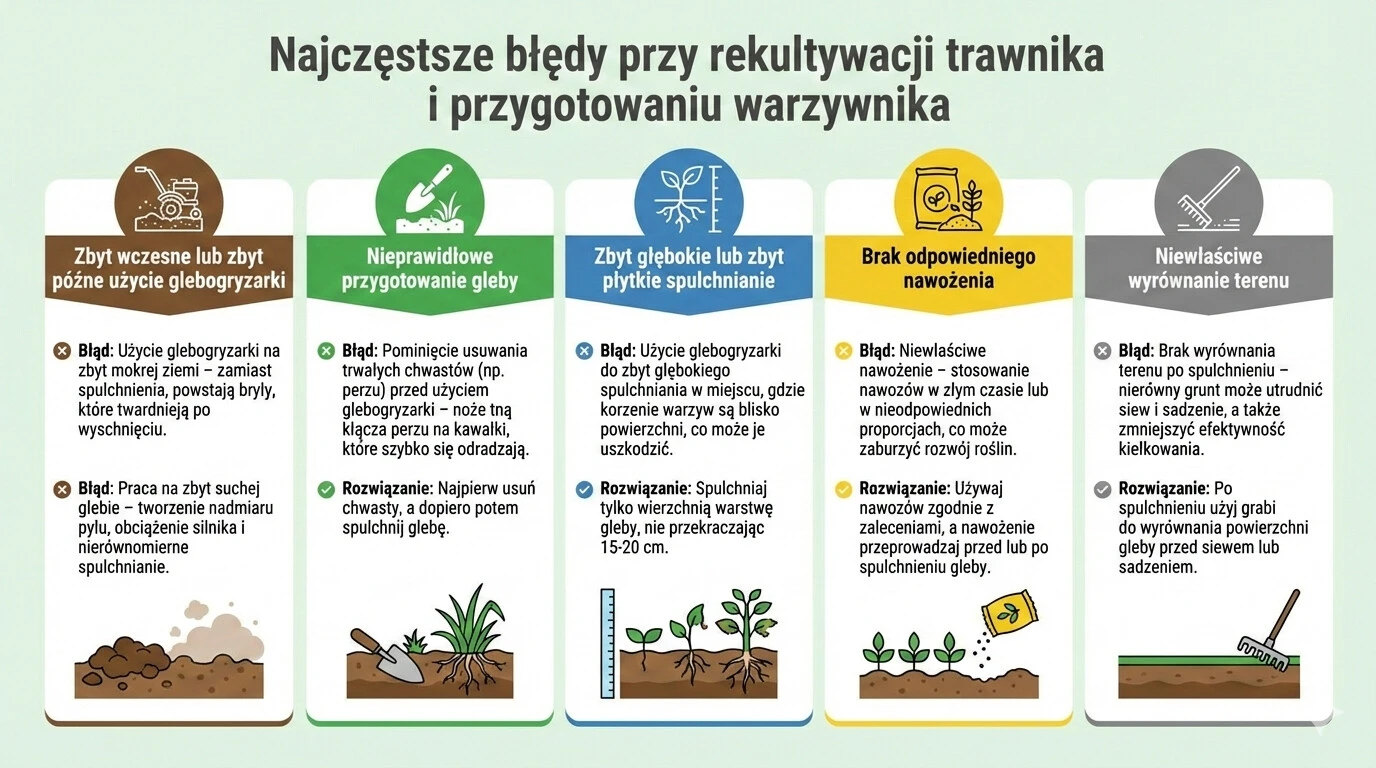
Even the best equipment won't guarantee success if we make agrotechnical mistakes.
Using a rotary tiller too early or too late
Driving a heavy rotary tiller into soil that is too wet will cause the soil to become "muddy" and destroy its clod-like structure.Instead of loose soil, you'll end up with clumps that are hard as rock once they dry out.On the other hand, working in soil that is too dry generates a lot of dust and puts a heavy strain on the machine's engine.
Improper soil preparation
Failing to remove perennial weeds (such as couch grass) before using a rotary tiller is a common mistake.The machine's blades will cut the couch grass rhizomes into smaller pieces, each of which will grow into a new plant. As a result, instead of a beautiful lawn, you'll soon see a field of weeds.Always clear the area first, and only then start loosening the soil.
Restoring a lawn and preparing a vegetable garden using the right power tools saves time and ensures healthy plant growth.Keep the schedule in mind: first, clean up; then, check the soil moisture; and finally, carefully loosen the soil with a rotary tiller.
Recommended
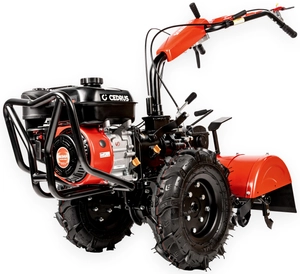
CEDRUS GLX640 SPRINIONAL GARDEN PLOTTILLER 5.5 HP / 62cm Weima 170F/P GLX 640 - EWIMAX - OFFICIAL DISTRIBUTOR - AUTHORIZED DEALER CEDRUS

CEDRUS GL03 PRO-LC SPRINIONAL PLANT-GARDENER WITH DRIVE CULTIVATOR 6.5 HP / 45cm LONCIN G200F GL03 - EWIMAX - OFFICIAL DISTRIBUTOR - AUTHORIZED DEALER CEDRUS
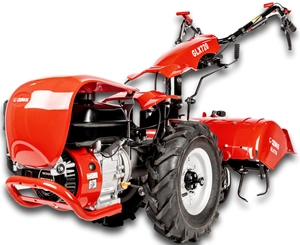
CEDRUS GL11 GLX720 SPRELINER COMPACTOR GLX 720 SELECTORIZER WITH CULTIVATOR DRIVE TRAKTOR SINGLE-SIZE WITH GEAR 72cm / 7HP GL11 GLX720 - OFFICIAL DISTRIBUTOR - AUTHORIZED DEALER CEDRUS