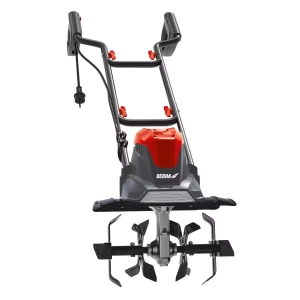
How do I prepare my Cedrus rotary tiller for its first use after winter?
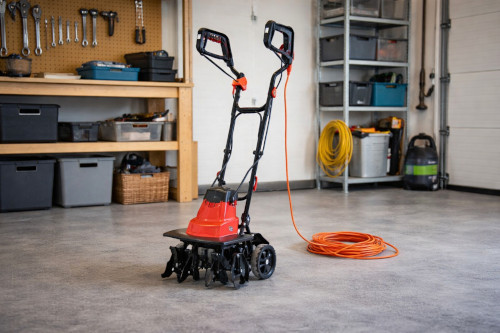
Spring is the time when the garden comes back to life—and with it, the equipment that has been sitting in the garage or shed for several months.Before the rotary tiller heads out to the field, though, it’s worth taking a moment to check it over.Even Cedrus machines—which are known for their reliability and durability—need to be properly started up after being idle over the winter.Preparing your rotary tiller for use is a matter of comfort, safety, and trouble-free operation throughout the season.
Many users only realize how important it is to prepare their rotary tiller after winter when the machine stops working properly—the engine won’t start, runs rough, or stalls under load.Meanwhile, a few simple maintenance steps can effectively prevent such problems and save you unnecessary stress at the start of the gardening season.
In this guide, we'll walk you through, step by step, what to look for before starting the machine for the first time.You'll learn what the first start-up of your tiller after winter should look like, which parts to check first, and how to prepare the equipment so it's ready for heavy-duty work in the garden, vegetable patch, or on your plot.
Table of Contents:
- Why Is It So Important to Prepare Your Tiller After Winter??
- Preparing the Cedrus Tiller for Its First Use After Winter – Step by Step
- How to Check the Fluids in a Tiller and When to Replace Them?
- How and When to Check the Ignition System and Air Intake on a Rototiller?
- How to Inspect the Working Parts and Drive System of a Rotary Tiller?
- What Should the First Start-Up of a Tiller Look Like After Winter??
- What are the most common problems when starting up a tiller for the first time after winter??
Why Is It So Important to Prepare Your Tiller After Winter??
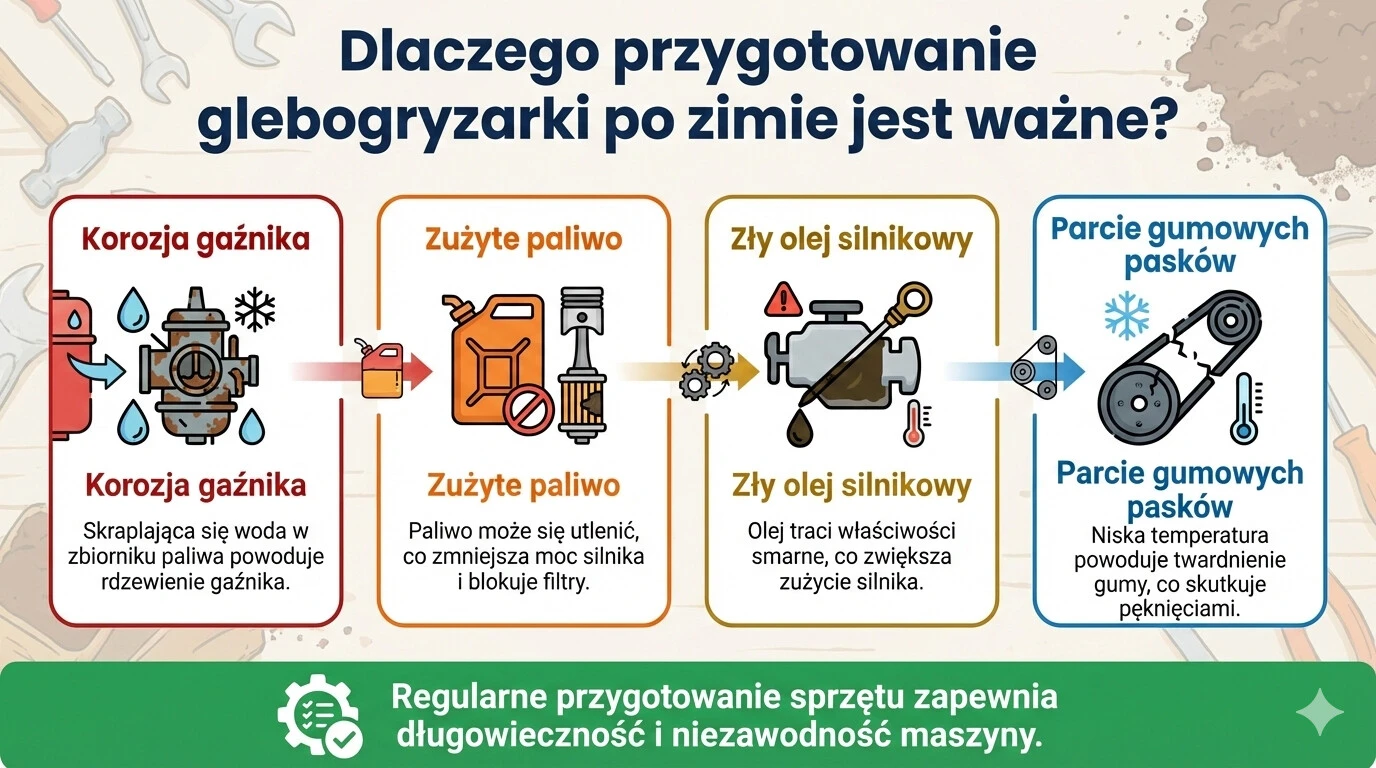
Many people make the mistake of trying to start the car immediately after pulling it out of the garage.However, it is important to remember that low temperatures, moisture, and the aging of fuel and oil can have a negative impact on mechanical components.
During the winter, water may condense in the fuel tank, leading to corrosion of the carburetor.Engine oil loses its lubricating properties, and rubber drive belts may squeak.Knowing how to prepare your tiller after winter and taking the proper steps will help you avoid costly repairs and ensure that the machine doesn’t let you down in the middle of working in your vegetable garden.Remember that well-maintained gardening tools are the foundation of effective gardening.
Preparing the Cedrus Tiller for Its First Use After Winter – Step by Step
Before you move on to tasks related to the engine and drivetrain, it’s a good idea to start with the absolute basics.Proper preparation of a rotary tiller for use after winter storage should always begin with a thorough visual inspection of the machine and cleaning it. This is a step that is often overlooked, yet it has a huge impact on safety during use and subsequent trouble-free operation.
Cleaning the Machine After Winter Storage
Even if the tiller was thoroughly cleaned and protected in the fall, storing it for several months in a garage, basement, or shed can lead to the accumulation of dust, cobwebs, and other debris.It also happens that the inside of the covers becomes a shelter for rodents or insects.
Before starting the tiller for the first time after winter:
- Remove dirt from the housing and working parts,
- Pay special attention to the engine cooling fins—keeping them clear is crucial for proper heat dissipation,
- Use a soft brush, compressed air, or a damp cloth to avoid damaging the delicate components.
A clean machine not only looks better, but also reduces the risk of the engine overheating during heavy use.
Pre-startup Technical Inspection
The next step in the preparation process is to thoroughly inspect all structural components. tillers generate strong vibrations during operation, which over time can cause screw connections to loosen.
Before you start the machine:
- Check to make sure all bolts and nuts are securely tightened,
- Check that the control handles and blade guards are securely fastened,
- Check the fuel lines for cracks, fraying, or signs of leaks,
- Make sure that the working parts are not blocked by soil or stones..
This preliminary inspection helps detect minor defects before work begins and significantly reduces the risk of breakdowns during the season.
How to Check the Fluids in a Tiller and When to Replace Them?
The engines used in Cedrus machines (most commonly Loncin, Rato, or Briggs & Stratton) are extremely durable, but they require clean operating fluids.
Changing the Engine Oil in a Cedrus Tiller
It is recommended that the oil in a rotary tiller be changed at least once per season—preferably in the spring.Old oil left over from winter may be sulfolated and thick, which makes starting the engine difficult.
- Start the engine for a moment (if possible) to warm up the oil—it will drain more easily.
- Unscrew the drain plug and drain the used fluid into the container you have prepared.
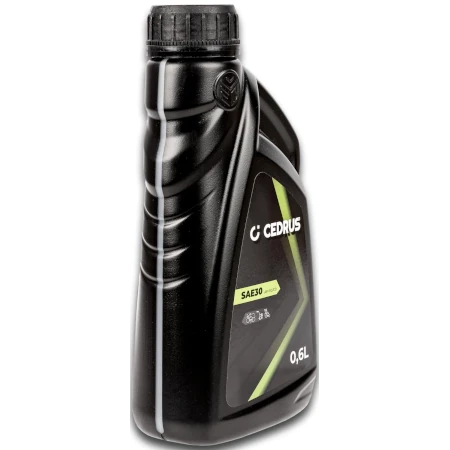
- Pour in fresh oil with the viscosity recommended by the manufacturer (usually SAE 30 or 10W30).You'll find high-quality engine oils from and in our product lineup.
- Check the oil level with the dipstick—it should be between the MIN and MAX marks.
Checking the Fuel and Fuel System
Modern gasoline containing bio-components loses its properties after just 30 days.If you left fuel in the tank all winter, there's a high risk that the tiller won't start after winter for that very reason.
- If the fuel smells bad or has turned cloudy, pour it out.
- Clean the fuel separator (if your model has one).
- Fill the tank with fresh, unleaded 95 octane gasoline.


How and When to Check the Ignition System and Air Intake on a Rototiller?
If you're wondering how to prepare your tiller after winter, one of the main steps is to check the components responsible for starting the engine.Problems starting the engine are very often not caused by serious malfunctions, but by minor faults in the ignition system or restricted airflow.It only takes a few minutes to check them, and it can save you from frustration when you first start it up.
Checking and Cleaning the Spark Plug
The spark plug in a rotary tiller is responsible for generating the spark; without it, the engine won't start. After the winter break, it’s absolutely essential to check it, even if the machine worked flawlessly last season.
Here's how to do it step by step:
- Remove the spark plug using a spark plug wrench,
- Check its condition—black soot indicates improper combustion or an old fuel mixture,
- Clean the electrode with a wire brush or fine sandpaper,
- Check the distance between the electrodes (usually 0.6–0.7 mm),
- Check the insulator—cracks or burn marks indicate that the spark plug needs to be replaced.
A clean and efficient spark plug ensures a strong spark, easier starting, and stable engine operation right from the start.
Inspecting and Cleaning the Air Filter
The air intake is an equally important component.Even the best spark plug won't help if the engine isn't getting enough clean air. That is why checking the air filter on your rotary tiller after winter should be a standard part of your spring maintenance routine.
Depending on the model of your Cedrus tiller, you may find two types of filters:
Sponge filter:
- Wash it in warm water with a mild detergent,
- dry it thoroughly,
- Soak it in a small amount of motor oil and gently squeeze out the excess.
Paper filter:
- If it's dirty or clogged, it's best to replace it with a new one,
- Do not blow compressed air through it—this can damage the fabric's structure and reduce filtration efficiency.
A clean air filter ensures the correct fuel-air mixture, which directly results in easy engine starting and smooth operation.
How to Inspect the Working Parts and Drive System of a Rotary Tiller?
Before the motor starts the blades, it is important to make sure that the drive train is working properly.Only then can you be sure that the machine will operate efficiently and safely.It is important to prepare your rotary tiller for use, and regularly checking these components will ensure the machine's longevity.
Inspection of knives and working parts
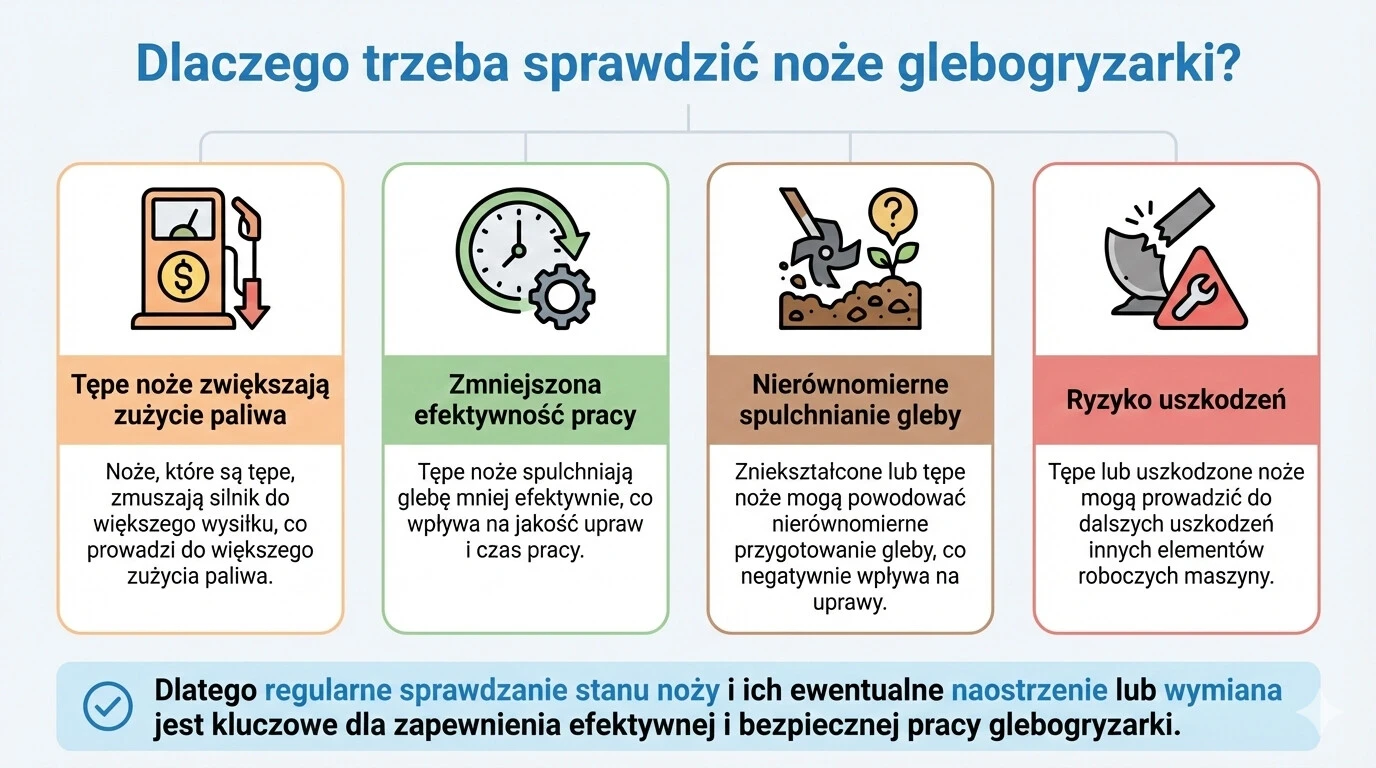
Before starting the tiller for the first time, it is important to thoroughly check the condition of the blades.Make sure they are not bent or excessively dull.Dull knives force the engine to work harder, which leads to higher fuel consumption and reduces efficiency.. In addition, dull blades can cause uneven soil loosening, which will affect crop quality.If your knives are dull, you can sharpen them with a grinder, making sure to maintain the correct angle.If the blades are damaged, it is a good idea to replace them with new ones to prevent further damage to other working parts or the drive.
It is also important that all moving parts are properly secured.Check to make sure that the bolts, nuts, and cotter pins are properly tightened and secure.Components that are not tightened properly may come loose during operation, which could lead to a malfunction.
If you notice that some parts are worn out or missing, consider replacing them with new rototiller accessories from , such as screws or cotter pins.Make sure all components are securely fastened to ensure safe and efficient operation of the machine, especially when starting the tiller for the first time after winter..
Checking Belts, Cables, and the Drive System
The next step is to check the condition of the belts, cables, and drive system.Check to see if the clutch and throttle cables operate smoothly. If the links are stiff, it's a good idea to lubricate them with a product such as WD-40 or machine oil, which will help them function properly.
V-belts should also be thoroughly inspected for cracks or signs of delamination.If they become damaged, they will need to be replaced to prevent a malfunction during operation.Keep in mind that how to start your tiller after winter also depends entirely on the condition of these key components.
What Should the First Start-Up of a Tiller Look Like After Winter??
Once all preparations are complete, it's time for the final test—starting up the machine.Properly starting up your rotary tiller for the first time after winter is important to ensure that everything is working properly and that the machine is ready for use.
How to Start a Cedrus Tiller Correctly?
- Open the fuel valve to allow fuel to flow to the engine.
- Set the choke lever to the closed position (START).
- Turn the ignition switch to the ON position.
- With a firm but smooth motion, pull the starter cord.
- When the engine starts or begins to "run," gradually move the choke lever to the open (RUN) position.
What to Look for in Your First Job?
After starting the engine, let it idle for 2–3 minutes so that it warms up and runs smoothly. Don't start working in hard soil right away.Listen carefully to the engine—are there any unusual noises, such as pops in the exhaust, or does the RPM fluctuate??Check to see if the cutting unit engages smoothly and does not make any unusual noises, such as squeaking or grinding.
What are the most common problems when starting up a tiller for the first time after winter??
Even if you exercise caution, difficulties may arise.
Why Won't My Tiller Start After Winter??Possible causes
The most common reason is cleaning the tiller's carburetor—or rather, failing to do so before winter storage. Fuel deposits may have clogged the main nozzle.If the spark plug is dry despite repeated cranking, it means that fuel is not reaching the combustion chamber.Another possible reason is that the spark plug is "flooded"—unscrew it, dry it off, and try again.
When Should You Take Your Tiller in for Service??
If, despite changing the fuel, spark plug, and cleaning the filter, the machine still won't start, has erratic RPMs, or emits black smoke, this may indicate more severe carburetor contamination requiring an ultrasonic cleaner or the need for valve adjustment.In that case, it's a good idea to seek professional assistance from a service center.

Properly starting up your tiller for the first time after winter is an investment that pays off in the form of trouble-free operation throughout the season.Your Cedrus will reward you with incredible performance, and you'll avoid unnecessary stress at the start of your gardening projects.
Recommended
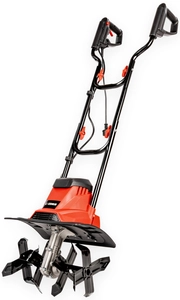
SIRMEX SC42T ELECTRIC DRILLING BRUSHING SHOOTER 34mm EWIMAX OFFICIAL DISTRIBUTOR - AUTHORIZED DEALER SIRMEX
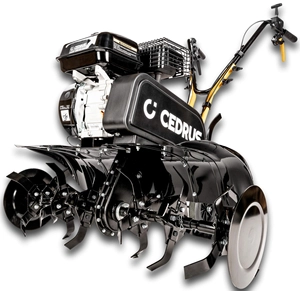
CEDRUS GL01 SPRINAL GARDEN CULTILIZER 6.5KM TIG6580 80cm - EWIMAX - OFFICIAL DISTRIBUTOR - AUTHORIZED DEALER CEDRUS
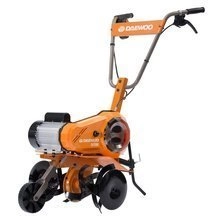
DAEWOO DAT 2500E ELECTRIC SOIL CULTIVATOR DAEWOO DAT 2500E - OFFICIAL DISTRIBUTOR - AUTHORIZED DAEWOO DEALER